
Claude Certified Architect
CCAR-F Articles & Study Guides
Explore focused explanations and study guides for Claude Certified Architect - Foundations (CCAR-F).
14 articles published

Start here
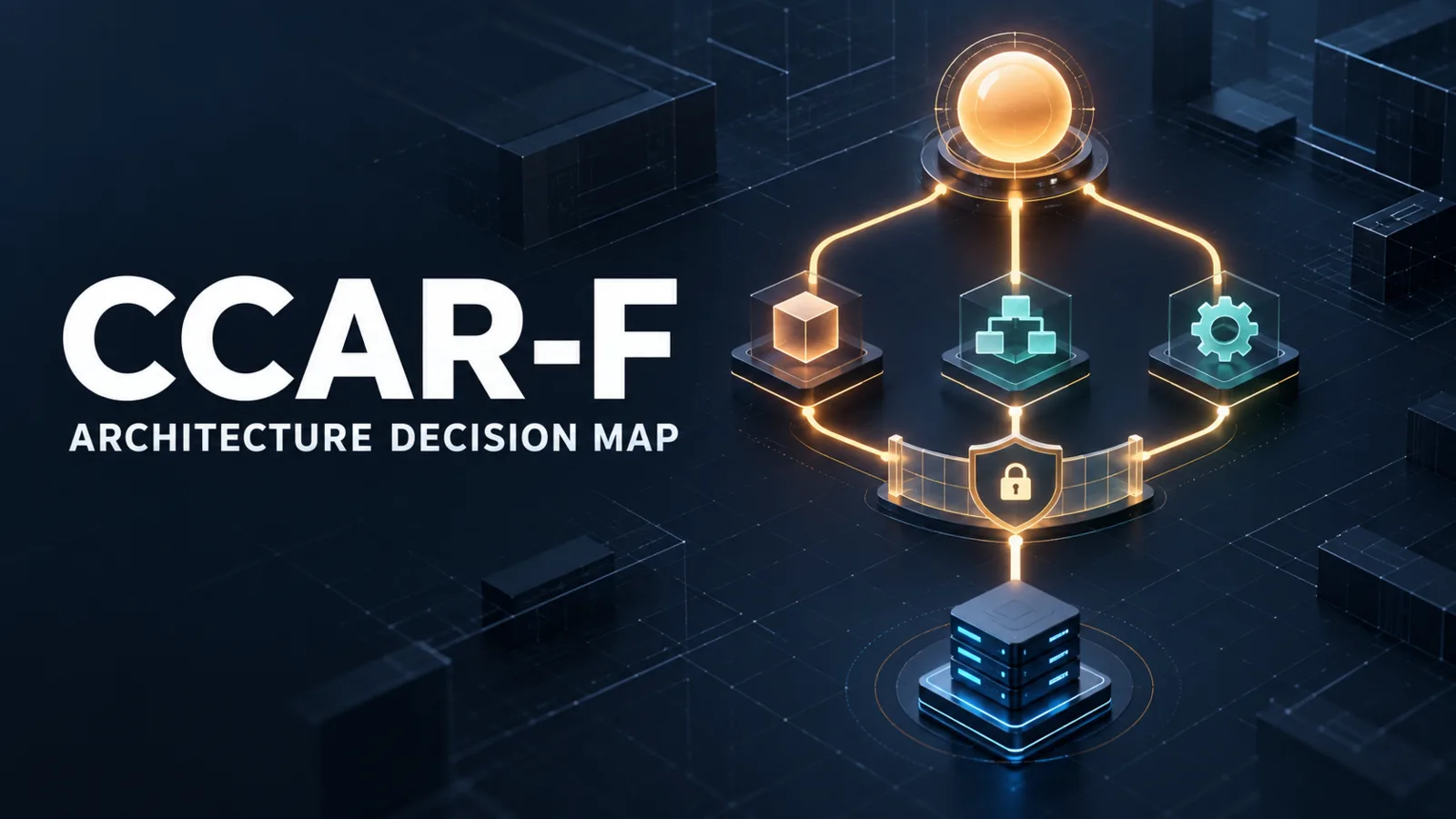
01 · Study & Preparation · Guide
CCAR-F Scope and the Claude Architecture Decision Map
The public scope of Claude Certified Architect - Foundations (CCAR-F) is best understood as an architecture map, not as a collection of isolated product features.
Explore CCAR-F articles
Showing 1–12 of 14 articles
01 · Study & Preparation · Guide
CCAR-F Scope and the Claude Architecture Decision Map
The public scope of Claude Certified Architect - Foundations (CCAR-F) is best understood as an architecture map, not as a collection of isolated product features.
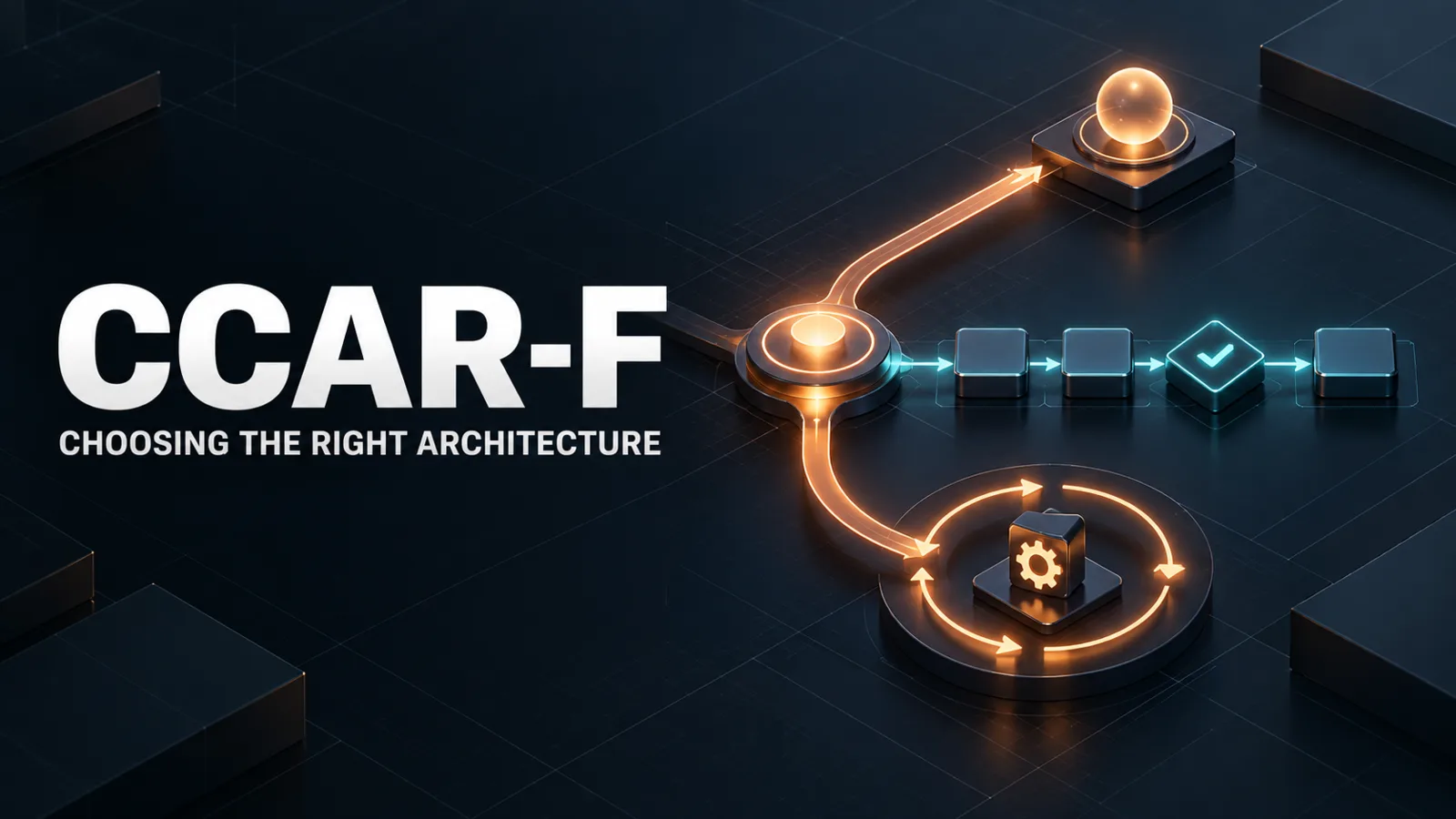
02 · Study & Preparation · Guide
Choosing Single-Shot, Workflow, and Agentic Claude Architectures
The right Claude architecture is usually the least autonomous one that can complete the job safely. Start with a single model call when one bounded response is enough.
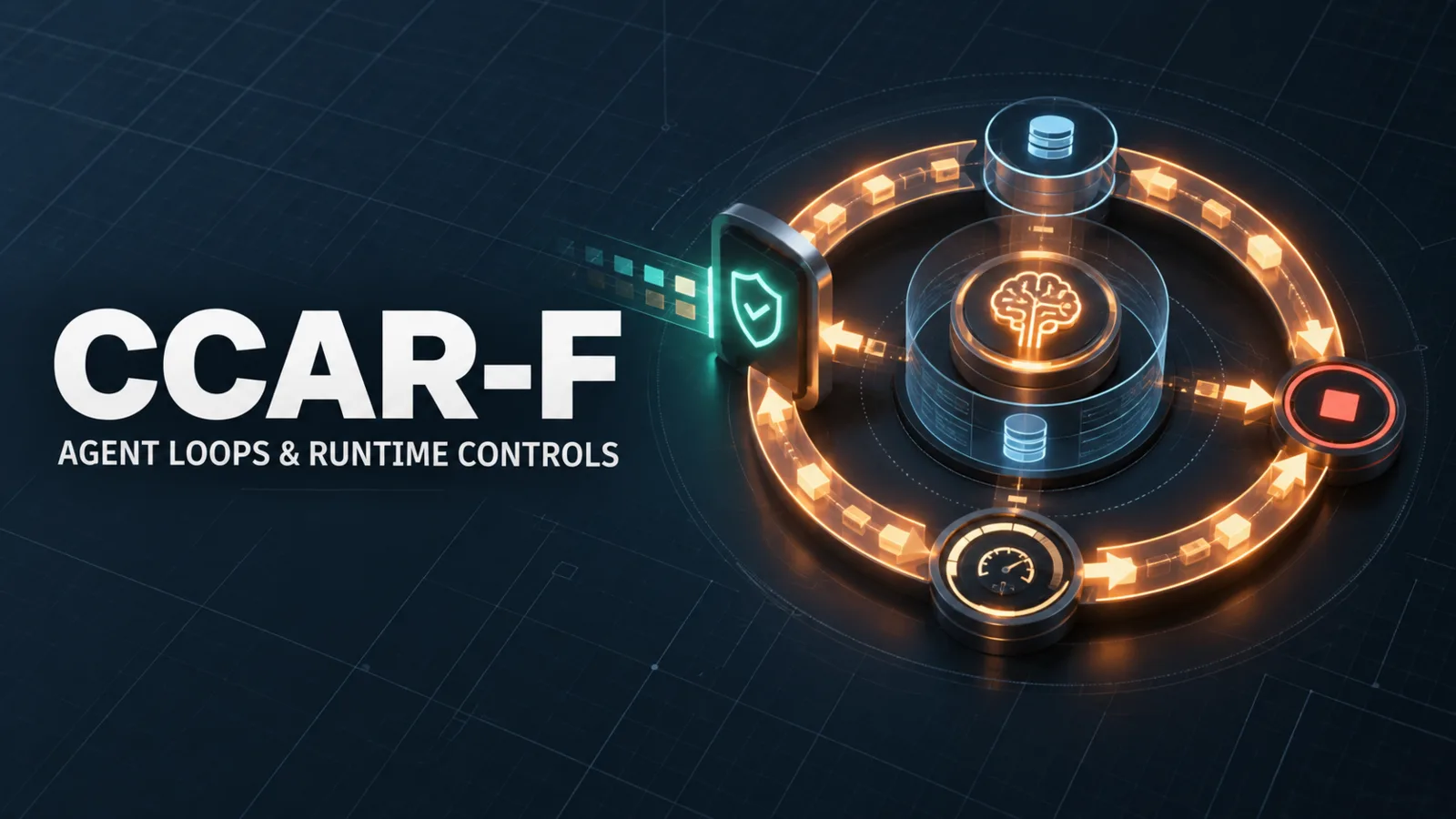
03 · Study & Preparation · Guide
Claude Agent Loops, Sessions, and Runtime Controls
An agentic design becomes operable only when its runtime is bounded. In the Claude Agent SDK, an agent loop evaluates the current state, requests tools when needed, incorporates their results, and eventually returns a final result.

04 · Study & Preparation · Guide
Delegation and Subagent Orchestration for Claude Systems
Delegate to a subagent when a focused, independently bounded piece of work would otherwise overload the primary agent's context or mix responsibilities that need different tools and permissions.

05 · Study & Preparation · Guide
Designing Claude Tool Interfaces and Execution Contracts
Claude tool interfaces should be treated as production API contracts, not as a thin list of functions.
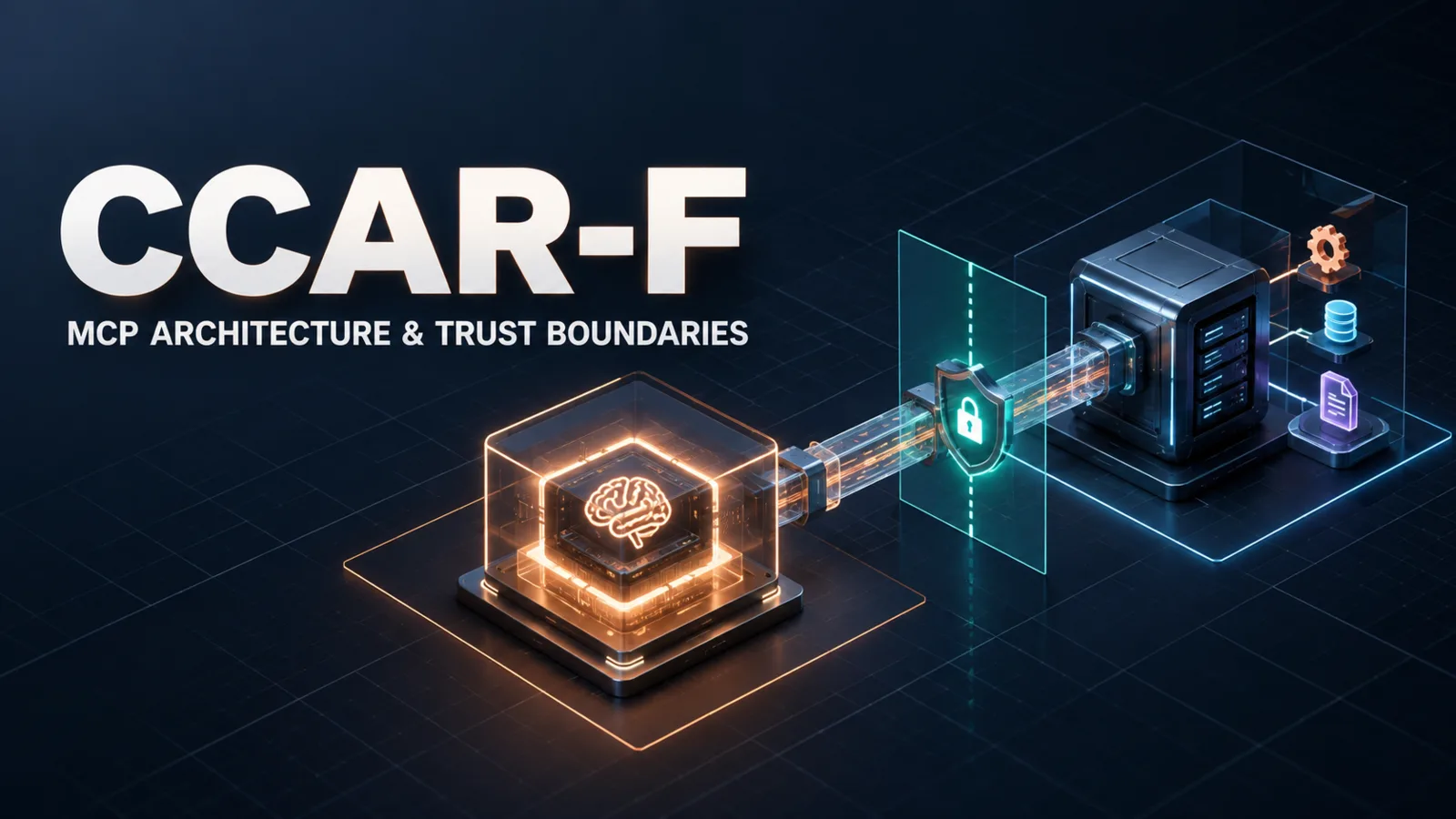
06 · Study & Preparation · Guide
MCP Architecture, Primitives, and Trust Boundaries
Model Context Protocol (MCP) is useful when an AI application needs a consistent way to discover and use external context or capabilities. It is not a permission system and it does not make an external system trustworthy by itself.
07 · Study & Preparation · Guide
Claude Code Context, Settings, and Permission Architecture
Claude Code configuration works best when it is designed as a layered policy system: durable project guidance tells Claude how work should be done, settings select behavior at the right administrative scope, and permissions limit what the…
08 · Study & Preparation · Guide
Claude Code Skills, Subagents, and Reusable Extensions
Reusable Claude Code extensions solve different problems.

09 · Study & Preparation · Guide
Claude Code Hooks, Plan Mode, Automation, and CI Workflows
Claude Code automation should separate decisions from enforcement.

10 · Study & Preparation · Guide
Prompt Contracts, Examples, and Multi-Stage Claude Workflows
A production prompt should be treated as a behavioral contract, not as a vague request for a good answer.
11 · Study & Preparation · Guide
Structured Outputs, Validation, Retry, and Batch Patterns
Machine-readable Claude output needs an explicit contract at the boundary with downstream software.

12 · Study & Preparation · Guide
Context Windows, Compaction, and Tool-Context Control
Long-running Claude workflows need an explicit context lifecycle. A context window is the request content available to a model for a response, and conversation history, tool definitions, tool results, and output all consume that budget.