
Study & Preparation
Claude Prompt Engineering Explained for CCDV-F Certification
About this video
A Claude prompt can produce a convincing answer on one input and fail on the next. What would make you confident enough to use it in production? In this video, we break down Claude prompt engineering for CCDV-F certification preparation and real-world application development. The focus is not finding a magic phrase—it is building prompts with clear objectives, deliberate content boundaries, and measurable acceptance criteria. We’ll examine how to separate stable system instructions from task-specific messages, organize content with XML tags, and choose between zero-shot, single-shot, and multi-shot approaches. Rather than adding examples by habit, we’ll look at how to use them to address observed ambiguity. Topics covered include: Separating application instructions from untrusted input Structuring tasks, reference material, and output requirements Using examples to clarify formats and decision boundaries Testing normal, boundary, and adversarial inputs Versioning prompts, model choices, and configuration together Keeping output validation and authorization outside the prompt We’ll also walk through an eight-step development lifecycle: define success, establish trust boundaries, draft a minimum prompt, address ambiguity, test inputs, diagnose failures, version the configuration, and run formal evaluations. A key distinction throughout the lesson is instruction versus enforcement. Asking for valid JSON is not the same as validating a response. Marking content with XML tags is not the same as creating a security boundary. The prompt communicates the task; your application must independently check outputs and control consequential actions. For your CCDV-F preparation, practice asking: Does this failure require clearer instructions, a better example, or a control that belongs in application code? Move beyond judging a prompt by its best response. Learn to evaluate its behavior across the inputs and failure conditions your application actually needs to handle. #Claude #CCDVF #ClaudeCertification
Keep watching
 6:31
6:31Study & Preparation
Claude Certified Developer Foundations CCDV-F Certification Overview
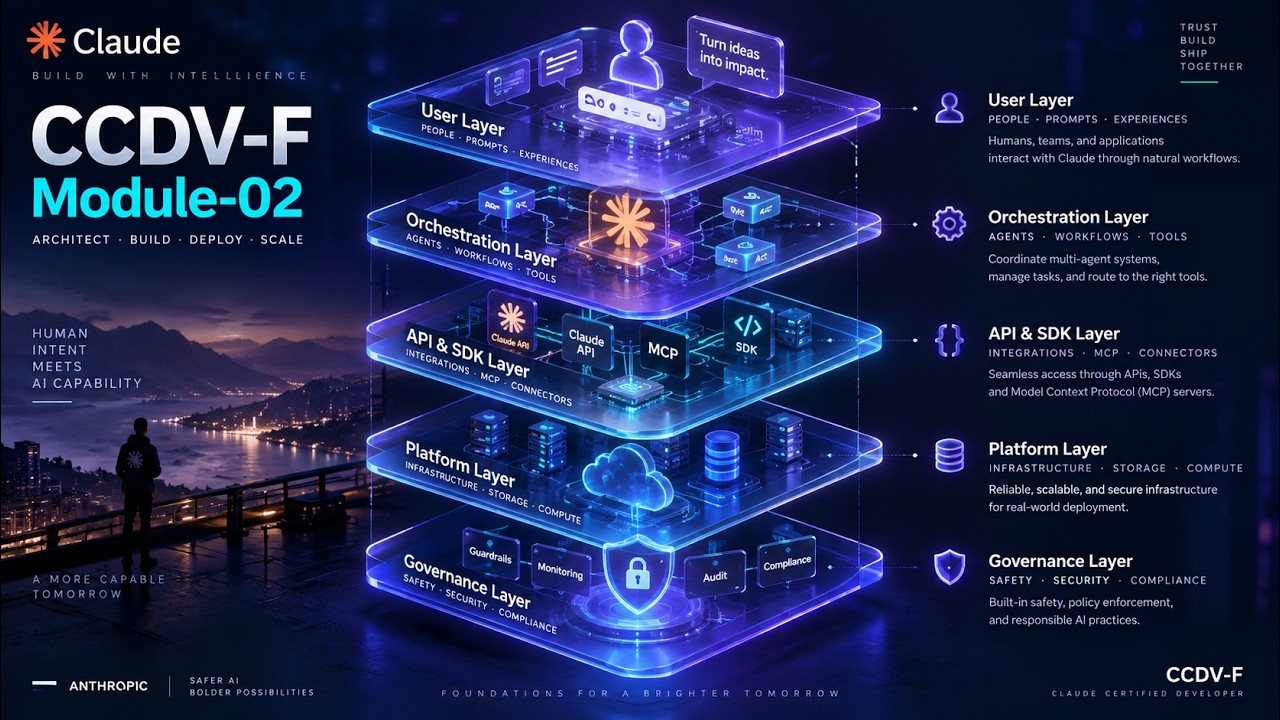 7:40
7:40Study & Preparation
Claude Application Systems Life Cycle Explained | CCDV-F Certification
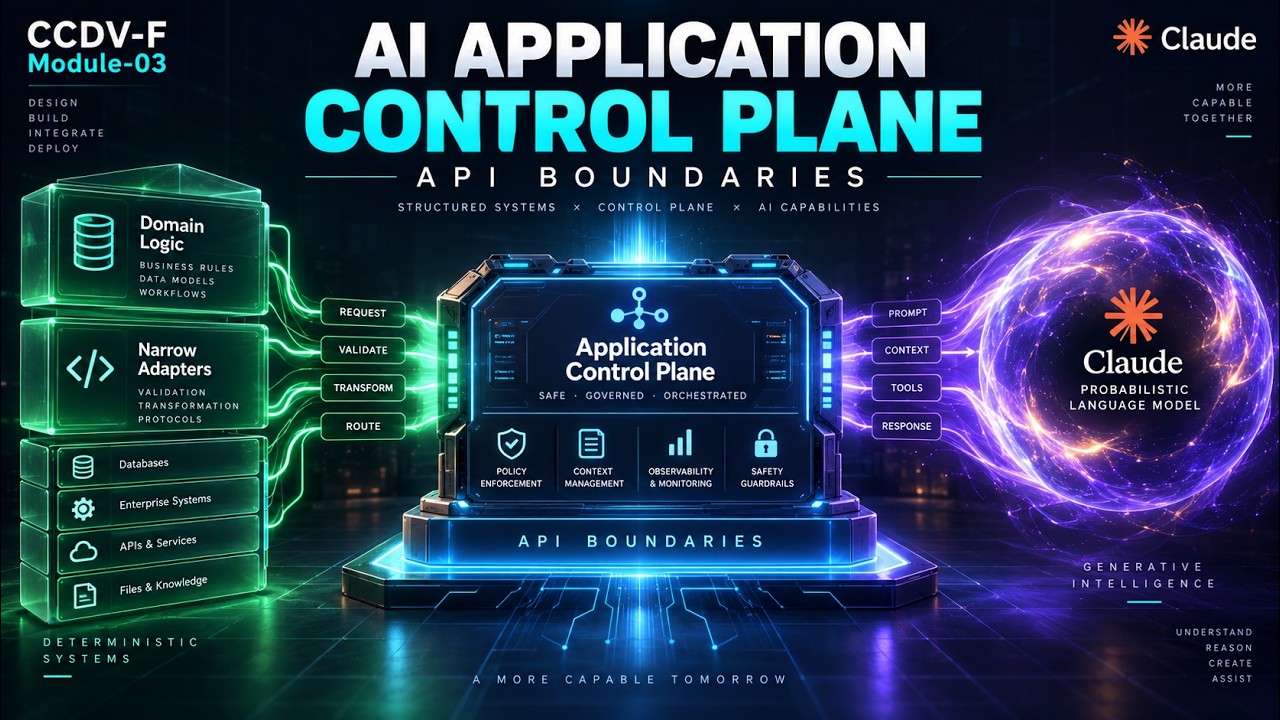 7:39
7:39Study & Preparation
Claude Application Architecture Explained | CCDV-F AI Boundaries
 7:19
7:19Study & Preparation
Claude Messages API Foundations Explained for CCDV-F Exam Preparation
 9:11
9:11Study & Preparation
Claude API Streaming Explained for CCDV-F Certification
 9:47
9:47Study & Preparation