
Study & Preparation
MCP Architecture Explained for CCDV-F Certification
About this video
MCP is becoming an important pattern for connecting AI applications with reusable capabilities—but adding MCP is also an architectural decision. In this video, we break down Model Context Protocol architecture for CCDV-F certification preparation and real-world Claude application design. We’ll explore how MCP separates hosts, clients, and servers, why protocol boundaries matter, and how to decide whether MCP is the right solution compared with direct tools, skills, or application-specific integrations. Topics covered include: MCP Host, Client, and Server responsibilities Stateless protocol communication patterns Tools, Resources, and Prompts as different capability models Choosing between stdio and Streamable HTTP transports Remote authorization and security boundaries Selecting the smallest customization boundary for your workload A key architectural principle is that interoperability creates value—but also introduces responsibility. A reusable protocol boundary requires clear contracts, version management, authorization controls, and operational ownership. We’ll examine the decision process: Use built-in capabilities when the platform already provides what you need Use direct custom tools when one application controls the workflow Use Skills or plugins when the reusable asset is instructions, scripts, or local extensions Use MCP when capabilities must be shared across multiple compatible hosts For CCDV-F preparation, focus on the architectural question: Where should this capability live, and what boundary gives the right balance between reuse, security, and operational complexity? MCP is not about making every integration a protocol server. It is about creating the right abstraction boundary when portability and reuse justify the cost. #Claude #CCDVF #MCP
Keep watching
 6:31
6:31Study & Preparation
Claude Certified Developer Foundations CCDV-F Certification Overview
 7:40
7:40Study & Preparation
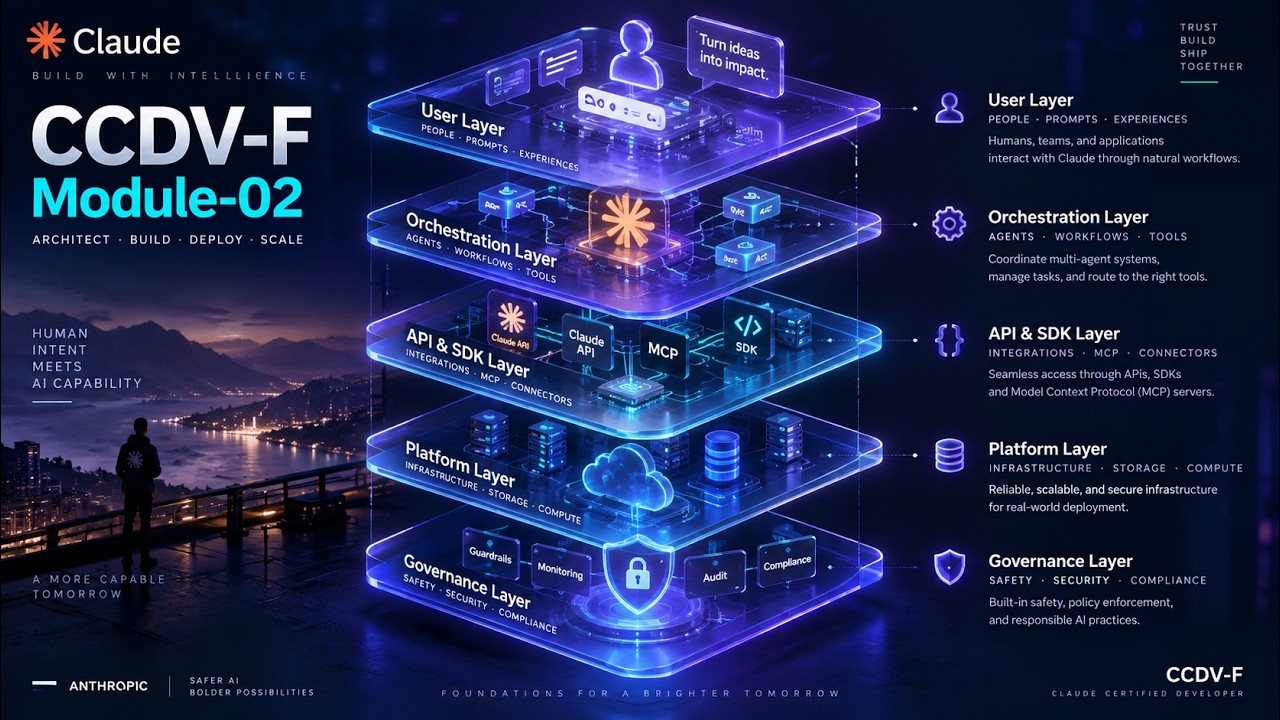
Claude Application Systems Life Cycle Explained | CCDV-F Certification
 7:39
7:39Study & Preparation
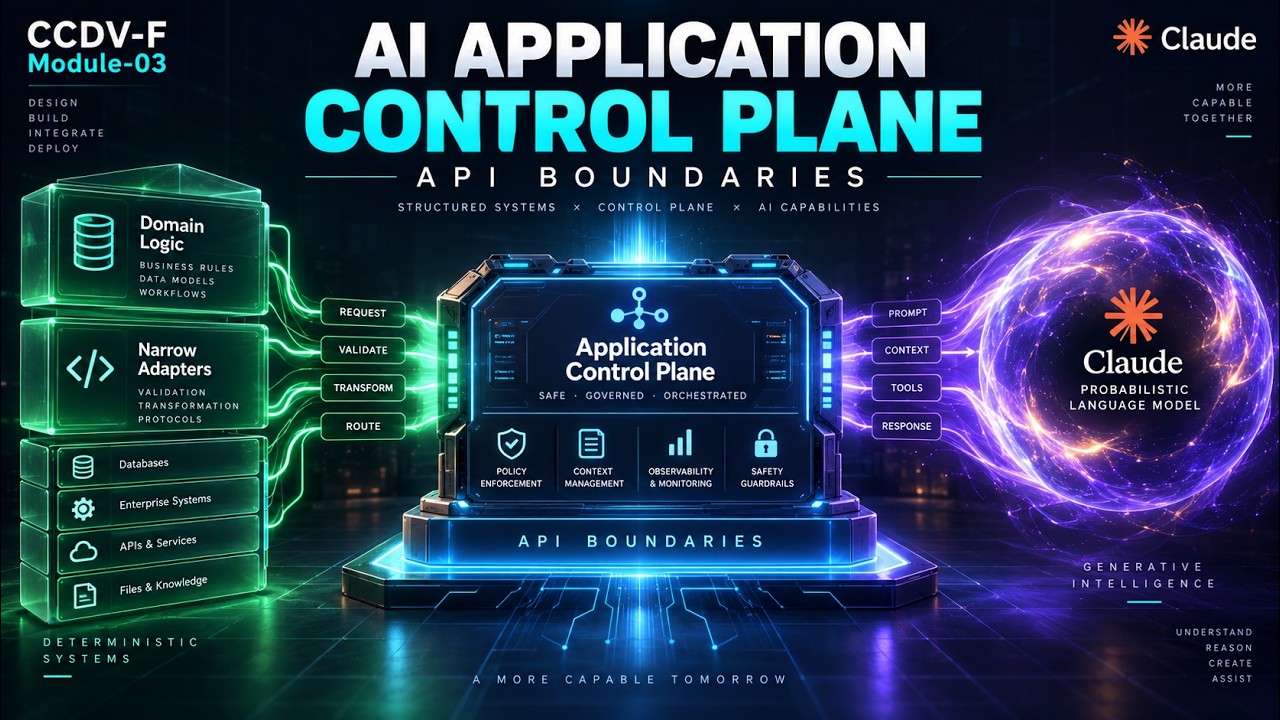
Claude Application Architecture Explained | CCDV-F AI Boundaries
 7:19
7:19Study & Preparation
Claude Messages API Foundations Explained for CCDV-F Exam Preparation
 9:11
9:11Study & Preparation
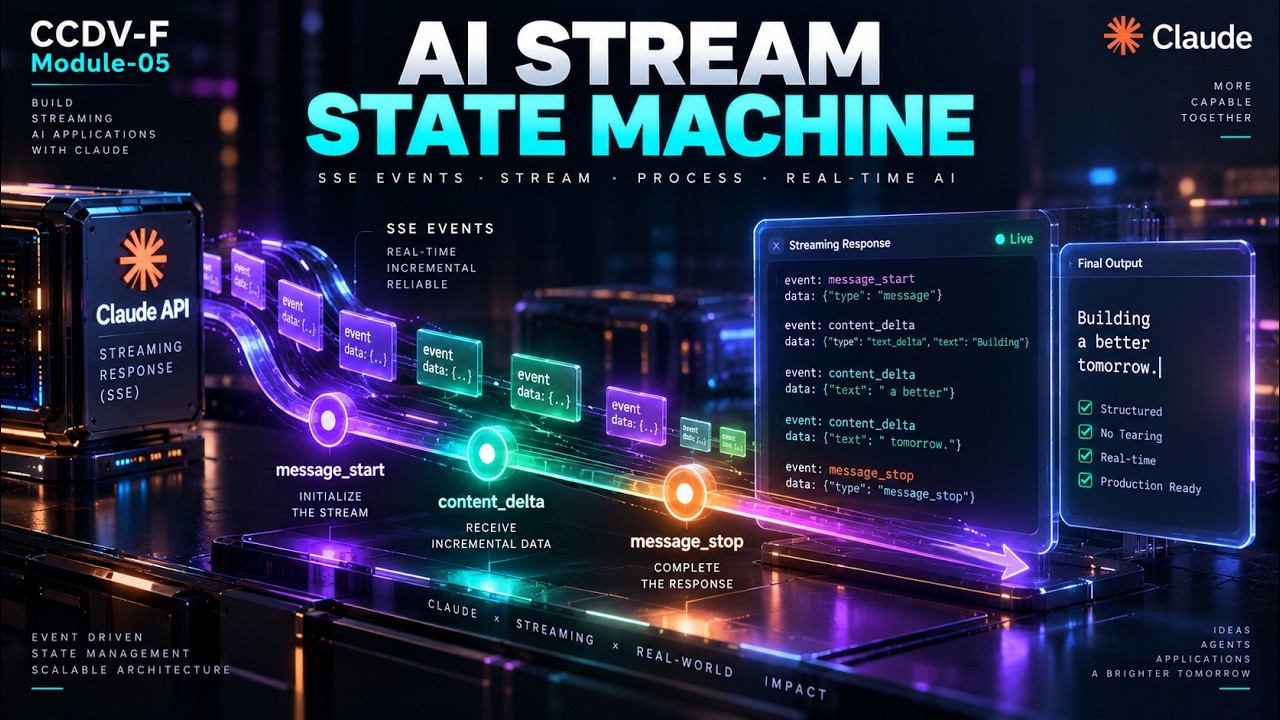
Claude API Streaming Explained for CCDV-F Certification
 9:47
9:47Study & Preparation