
Study & Preparation
Claude Model Selection Explained for CCDV-F Certification
About this video
Are you paying for capabilities your task does not need—or overlooking what retries and fallbacks add to the bill? In this video, we break down Claude model selection and token cost optimization for CCDV-F certification preparation and real-world application design. We’ll examine how to evaluate Opus, Sonnet, and Haiku configurations against your workload instead of choosing by reputation alone. The focus is on defining acceptance criteria, testing representative tasks, and comparing quality, latency, and cost before committing to a configuration. Topics covered include: Defining workload requirements and quality thresholds Separating model families, specific model IDs, and aliases Evaluating supported thinking and effort settings Estimating token usage and checking actual consumption Designing prompt caching around stable, reusable content Accounting for retries, fallbacks, and model re-evaluation We’ll look at token counting as a preflight estimate—not a guarantee of the final bill. Comparing estimates with actual response usage helps you understand how your requests behave in production. We’ll also explore how prompt caching can reduce repeated input processing, why stable prefixes matter, and why cache writes, cache reads, and uncached input need to be tracked separately. For your CCDV-F preparation, practice asking: Which configuration meets the task’s requirements, what evidence supports that choice, and what would trigger a re-evaluation? The goal is not to memorize a price table or assume one model is always best. It is to make model-selection decisions you can measure, explain, and revisit as your application evolves. #Claude #CCDVF #ClaudeCertification
Keep watching
 6:31
6:31Study & Preparation
Claude Certified Developer Foundations CCDV-F Certification Overview
 7:40
7:40Study & Preparation
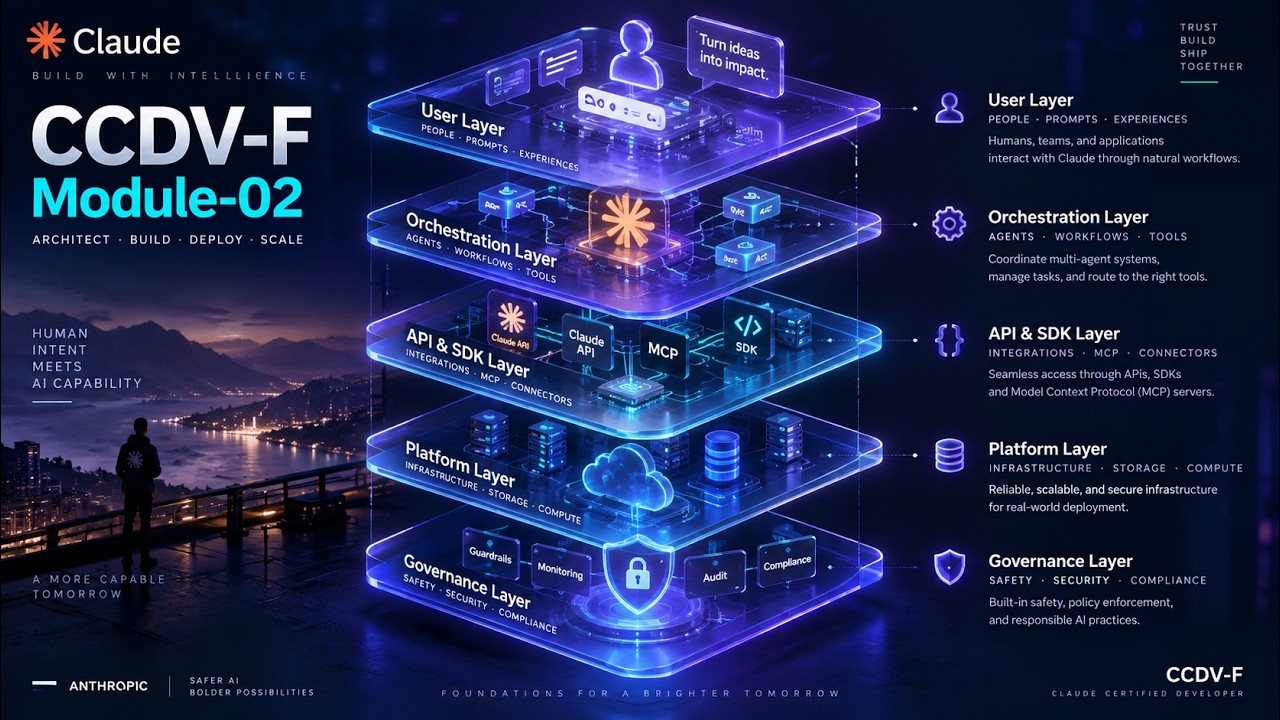
Claude Application Systems Life Cycle Explained | CCDV-F Certification
 7:39
7:39Study & Preparation
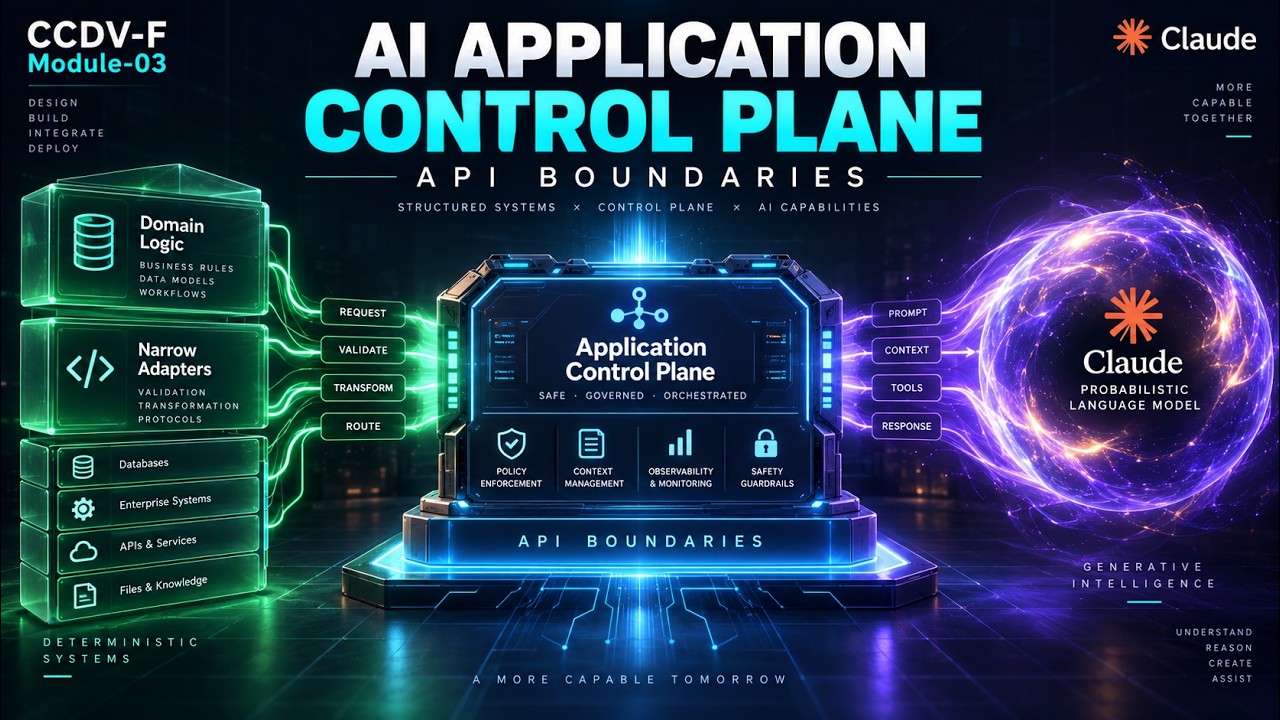
Claude Application Architecture Explained | CCDV-F AI Boundaries
 7:19
7:19Study & Preparation
Claude Messages API Foundations Explained for CCDV-F Exam Preparation
 9:11
9:11Study & Preparation
Claude API Streaming Explained for CCDV-F Certification
 9:47
9:47Study & Preparation