
Study & Preparation
Claude Configuration Management Explained for CCDV-F Certification
About this video
AI applications can change behavior without a single line of application code being modified. In this video, we break down Claude application configuration and version management principles for the CCDV-F certification and real enterprise AI deployments. You’ll learn why prompts, model identifiers, schemas, and dependencies should be managed as traceable release assets instead of informal configuration files. Topics covered include: Building a release manifest for AI applications Separating definitions from secrets Managing production configuration versus developer workspace settings Choosing between pinned model IDs and model aliases Versioning prompts and schemas as coupled interfaces Creating controlled configuration change workflows Designing safe rollback and recovery strategies A critical engineering principle is that configuration defines behavior. A small prompt change, schema update, or model transition can introduce application-level changes just like a software release. Reliable Claude systems require the same discipline used in traditional software engineering: version control, review processes, testing, observability, and reversible deployments. These practices help developers build predictable AI systems and prepare for the CCDV-F certification with a deeper understanding of production architecture. #Claude #CCDVF #ClaudeCertification
Keep watching
 6:31
6:31Study & Preparation
Claude Certified Developer Foundations CCDV-F Certification Overview
 7:40
7:40Study & Preparation
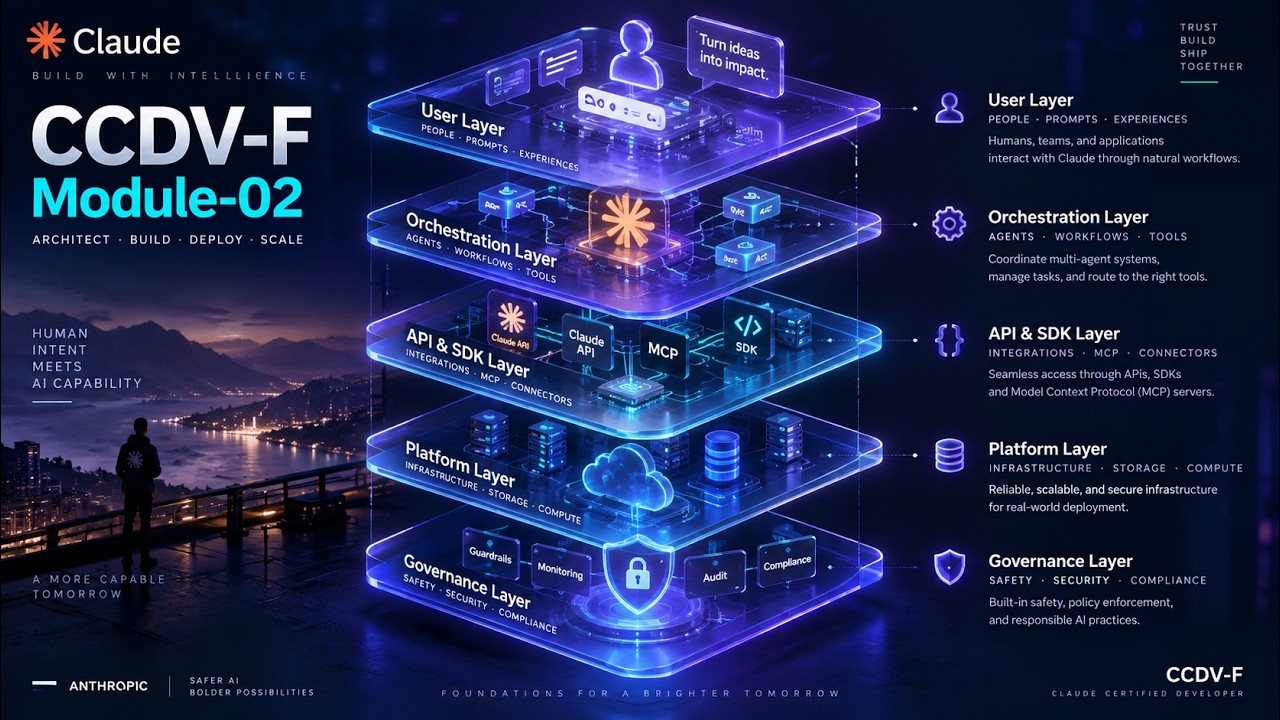
Claude Application Systems Life Cycle Explained | CCDV-F Certification
 7:39
7:39Study & Preparation
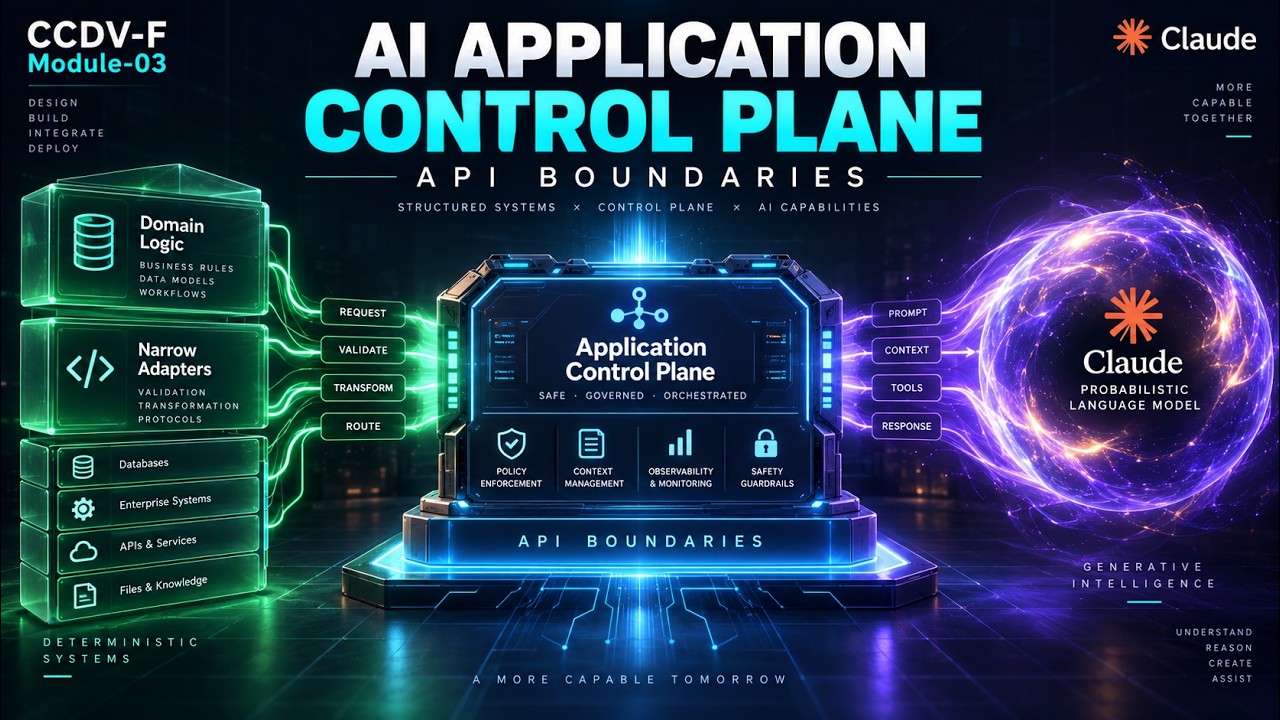
Claude Application Architecture Explained | CCDV-F AI Boundaries
 7:19
7:19Study & Preparation
Claude Messages API Foundations Explained for CCDV-F Exam Preparation
 9:11
9:11Study & Preparation
Claude API Streaming Explained for CCDV-F Certification
 9:47
9:47Study & Preparation