
Study & Preparation
Claude Agent Architecture Explained for CCDV-F Certification
About this video
Building an AI agent is not always the right architectural choice. In this video, we break down Claude agent architecture patterns for the CCDV-F certification and explain how engineers decide between simple model calls, deterministic workflows, single agents, and multi-agent designs. You’ll learn why production AI systems should follow a principle of controlled complexity—starting with the simplest architecture and increasing autonomy only when uncertainty requires it. Topics covered include: Single Claude model request patterns Deterministic workflow orchestration Single-agent reasoning loops Manager and bounded subagent architectures Evaluating uncertainty, control, cost, and security tradeoffs Creating safe delegation contracts Human approval boundaries Recovery strategies for agent-based systems A key principle in AI engineering is that autonomy creates both capability and operational risk. Every additional agent layer introduces new permissions, failure modes, costs, and recovery challenges. Reliable AI systems are built by placing control deliberately: Application code owns predictable transitions Agents handle uncertain exploration Guardrails maintain authority over real-world actions Understanding these architectural boundaries is essential for building production-ready Claude applications and preparing for the CCDV-F certification. #Claude #CCDVF #ClaudeCertification
Keep watching
 6:31
6:31Study & Preparation
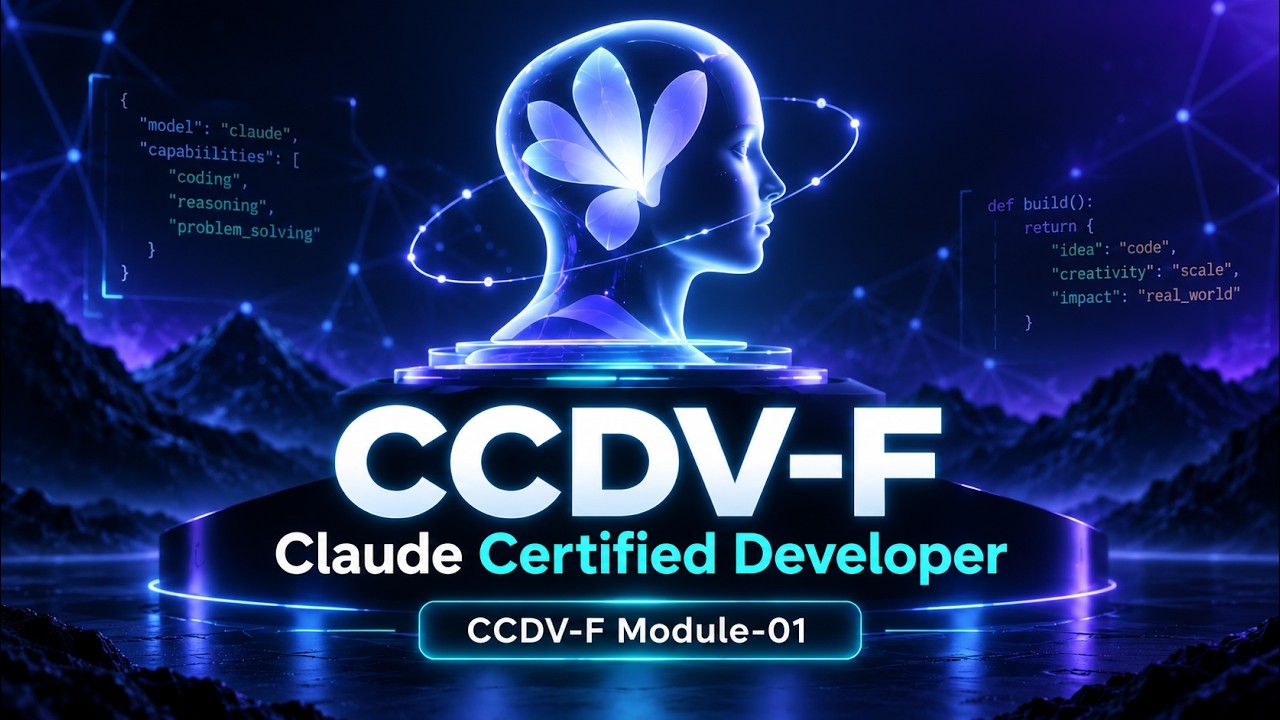
Claude Certified Developer Foundations CCDV-F Certification Overview
 7:40
7:40Study & Preparation
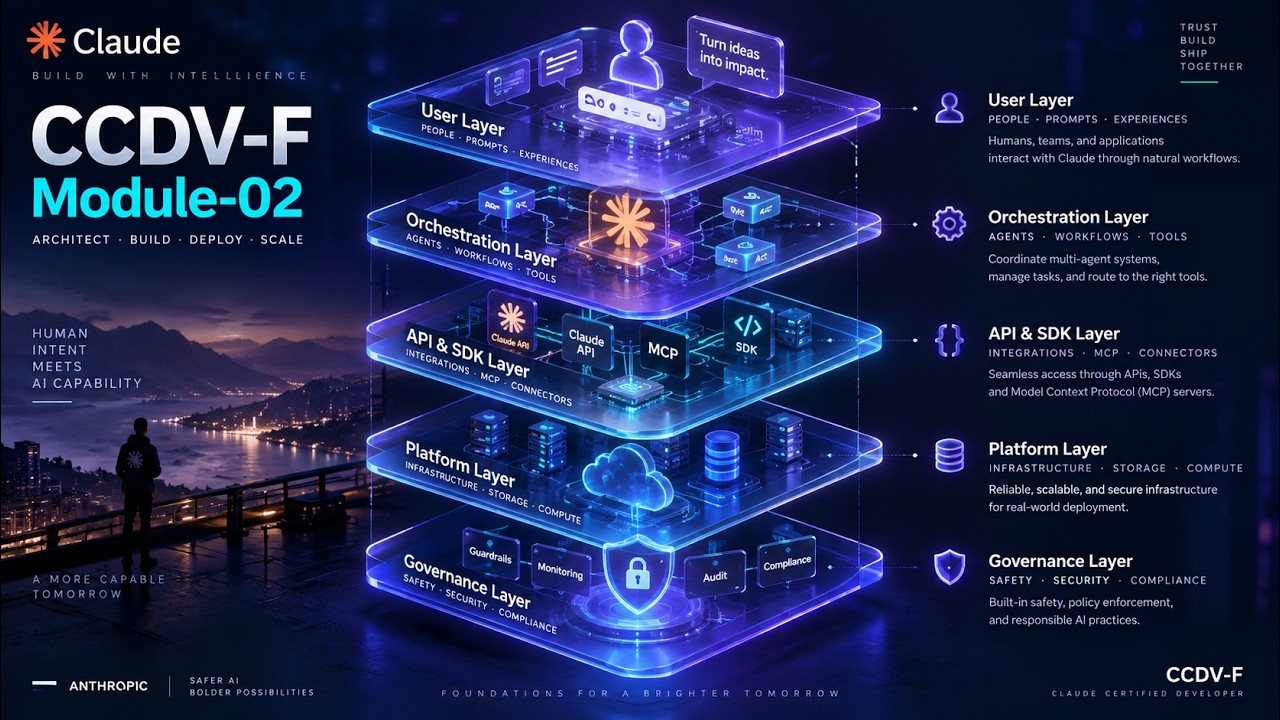
Claude Application Systems Life Cycle Explained | CCDV-F Certification
 7:39
7:39Study & Preparation
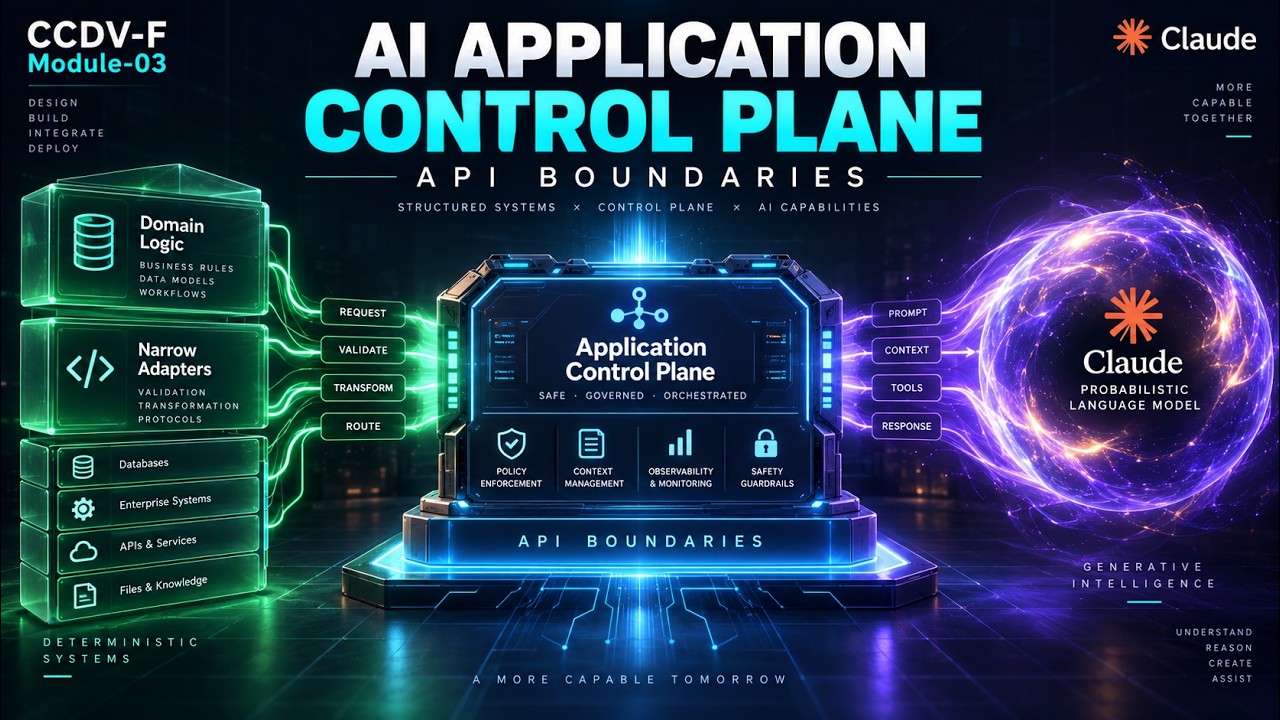
Claude Application Architecture Explained | CCDV-F AI Boundaries
 7:19
7:19Study & Preparation
Claude Messages API Foundations Explained for CCDV-F Exam Preparation
 9:11
9:11Study & Preparation
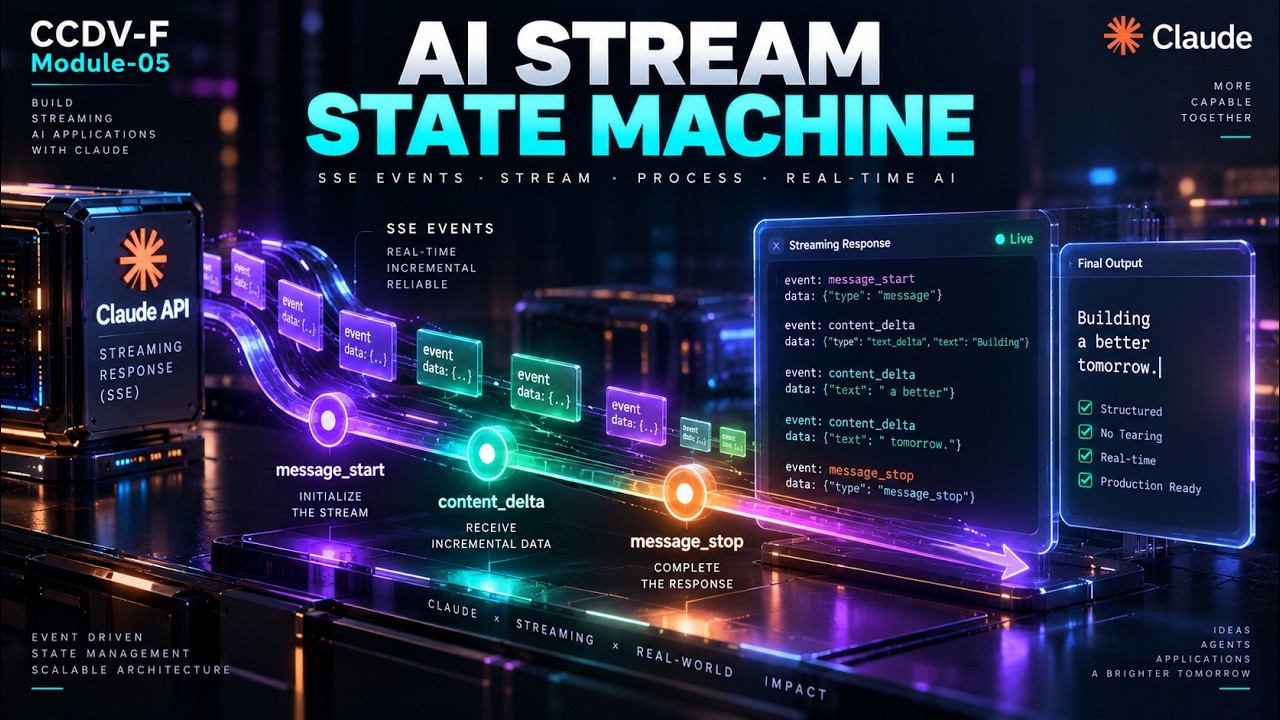
Claude API Streaming Explained for CCDV-F Certification
 9:47
9:47Study & Preparation