
Claude Certified Developer
CCDV-F Articles & Study Guides
Explore focused explanations and study guides for Claude Certified Developer - Foundations.
18 articles published

Start here
01 · Study & Preparation · Guide
Claude Certified Developer – Foundations: Certification Overview and Developer Skills
Claude Certified Developer – Foundations validates a developer's foundational ability to design, integrate, operate, evaluate, optimize, and secure production-oriented applications, agents, and workflows built with Claude.
Explore CCDV-F articles
Showing 1–12 of 18 articles
01 · Study & Preparation · Guide
Claude Certified Developer – Foundations: Certification Overview and Developer Skills
Claude Certified Developer – Foundations validates a developer's foundational ability to design, integrate, operate, evaluate, optimize, and secure production-oriented applications, agents, and workflows built with Claude.

02 · Study & Preparation · Guide
Turning Claude Application Requirements into a Systems Life Cycle
An engineering team should translate a Claude application idea into a maintainable system through four connected artifacts: a measurable outcome, a testable requirement baseline, an explicit responsibility map, and a staged life cycle…

03 · Study & Preparation · Guide
Claude Application Architecture Across Interfaces and Content Boundaries
A sound Claude application architecture gives each layer one explicit responsibility. The application owns business rules, trusted and untrusted input separation, conversation state, schemas, validation, authorization, and side effects.

04 · Study & Preparation · Guide
Claude Messages API and SDK Integration Foundations
A basic Claude Messages API integration has three boundaries.

05 · Study & Preparation · Guide
Reliable Claude API Streaming, Asynchronous Work, and Error Handling
A Claude API client should process a streaming response as a state machine and recover from failure only after identifying the layer, the last confirmed event, and whether another attempt is safe.

06 · Study & Preparation · Guide
Choosing Claude API Workload Modes for Vision, Thinking, and Batch Processing
Choose a Claude API workload mode in three steps. First, decide whether the request needs text-only or image input.

07 · Study & Preparation · Guide
Structured Claude Outputs, Validation, and Defensive Parsing
A Claude application should handle structured output through a gated pipeline: define an application-owned JSON Schema contract, request a currently supported structured-output mode, inspect the response envelope and completion state,…

08 · Study & Preparation · Guide
Configuration and Version Management for Claude Applications
A team should govern Claude application configuration as a versioned release bundle rather than a collection of editable strings and dashboard choices.
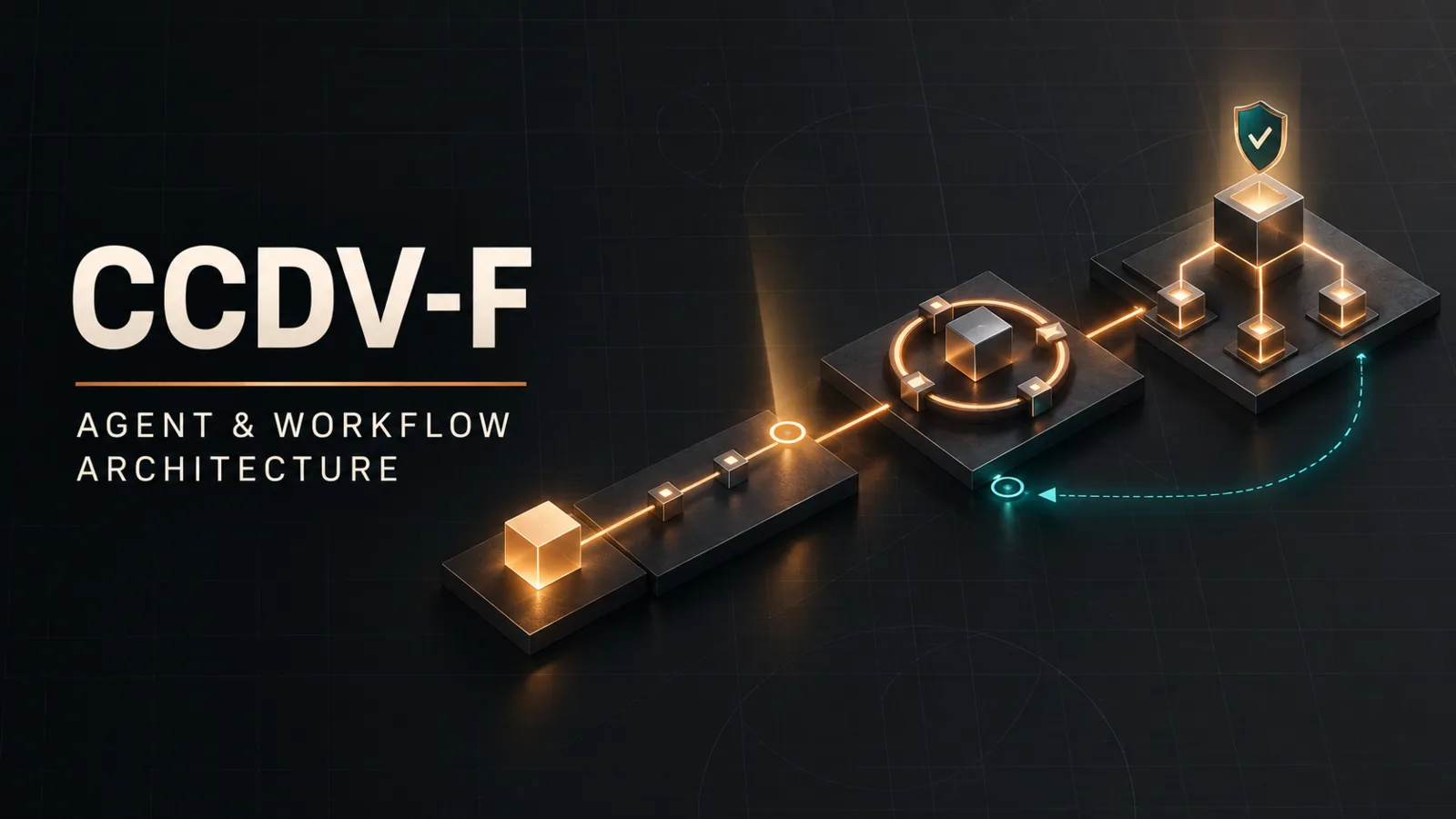
09 · Study & Preparation · Guide
Claude Agent and Workflow Architecture Decision Framework
Use the least complex Claude architecture that can meet the task's uncertainty and control requirements.
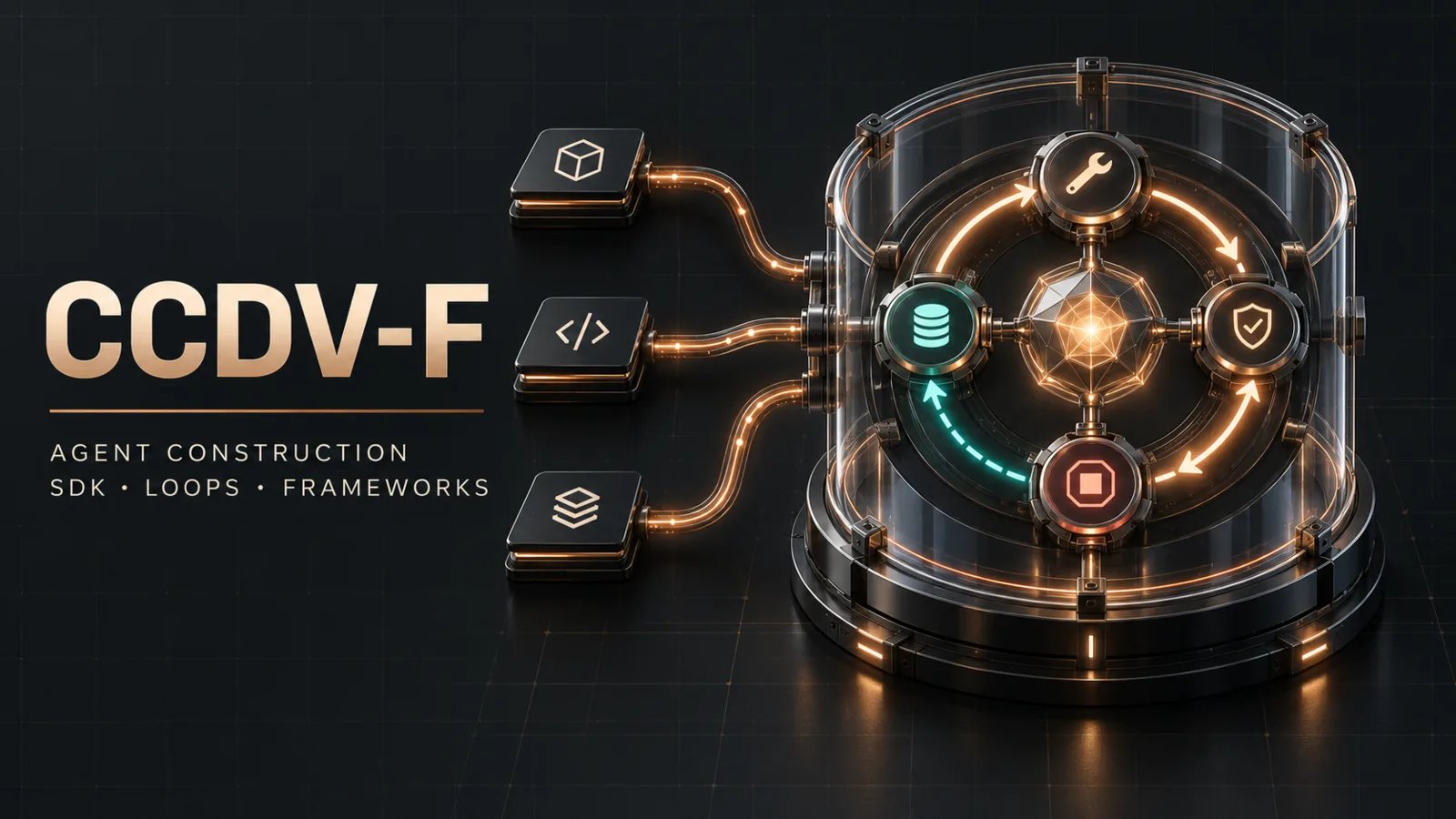
10 · Study & Preparation · Guide
Building Claude Agents with the Agent SDK, Custom Loops, and Frameworks
Implement a chosen Claude agent architecture by defining its control-loop contract first, then selecting the runtime that owns the right amount of machinery.

11 · Study & Preparation · Guide
Claude Code Operation, Configuration, and Extension Surfaces
A developer should operate Claude Code by choosing one surface for each kind of control.

12 · Study & Preparation · Guide
Claude Model Selection, Thinking, Token, and Cost Tradeoffs
Choose a Claude model and reasoning controls by testing the smallest viable configuration against a representative quality threshold, then checking latency, release compatibility, token use, cache behavior, and total workload cost.