
Study & Preparation
3V0-24.25 VKS Istio Gateway API: TLS and HTTPRoute Explained
About this video
A healthy Gateway does not automatically mean that external clients can reach your application. In this video, we break down Objectives 3.3 and 3.6 of the VMware 3V0-24.25 VKS exam and trace the complete north-south request path—from the external client and load-balancer address to TLS termination, HTTPRoute attachment, and the backend Kubernetes Service. Broadcom’s exam guide associates ingress and egress architecture with Objective 3.3 and service-mesh implementation with Objective 3.6. We begin by separating two traffic patterns: East-west communication between workloads inside the cluster North-south traffic entering from an external network From there, we examine the Kubernetes Gateway API ownership model. The infrastructure team controls the GatewayClass, Gateway listeners, TLS configuration, and route-attachment boundaries. Application teams define HTTPRoutes containing hostname, path, and backend rules. This separation creates a cleaner operational boundary than placing every responsibility inside one ingress object. We will walk through: GatewayClass, Gateway, and HTTPRoute responsibilities HTTPS listeners and TLS certificate references Same-namespace and cross-namespace certificate handling parentRefs and allowedRoutes Hostname and path-based routing Accepted and ResolvedRefs conditions Backend Service ports and ready endpoints The practical difference between 404 and 503 failures The key exam lesson is troubleshooting in the correct order. A route-attachment failure is not automatically an Antrea NetworkPolicy problem. First verify that the correct controller owns the Gateway, the listener is valid, the certificate reference resolves, the HTTPRoute is accepted, and the backend reference is valid. If those checks succeed but the Service has no ready endpoints, the client may still receive a 503 response. The 3V0-24.25 exam is testing whether you understand the boundaries between external load balancing, Gateway API resources, TLS termination, application routing, and service-mesh security. By the end of this module, you will have a repeatable framework for diagnosing VKS ingress failures without treating every 404 or 503 as a firewall issue. Next, we will move into advanced Layer 7 traffic management and examine how Istio VirtualServices and DestinationRules support weighted routing, canary releases, and controlled traffic shifting. #3V02425 #VKS #VMwareCertification
Keep watching
 7:07
7:07Study & Preparation
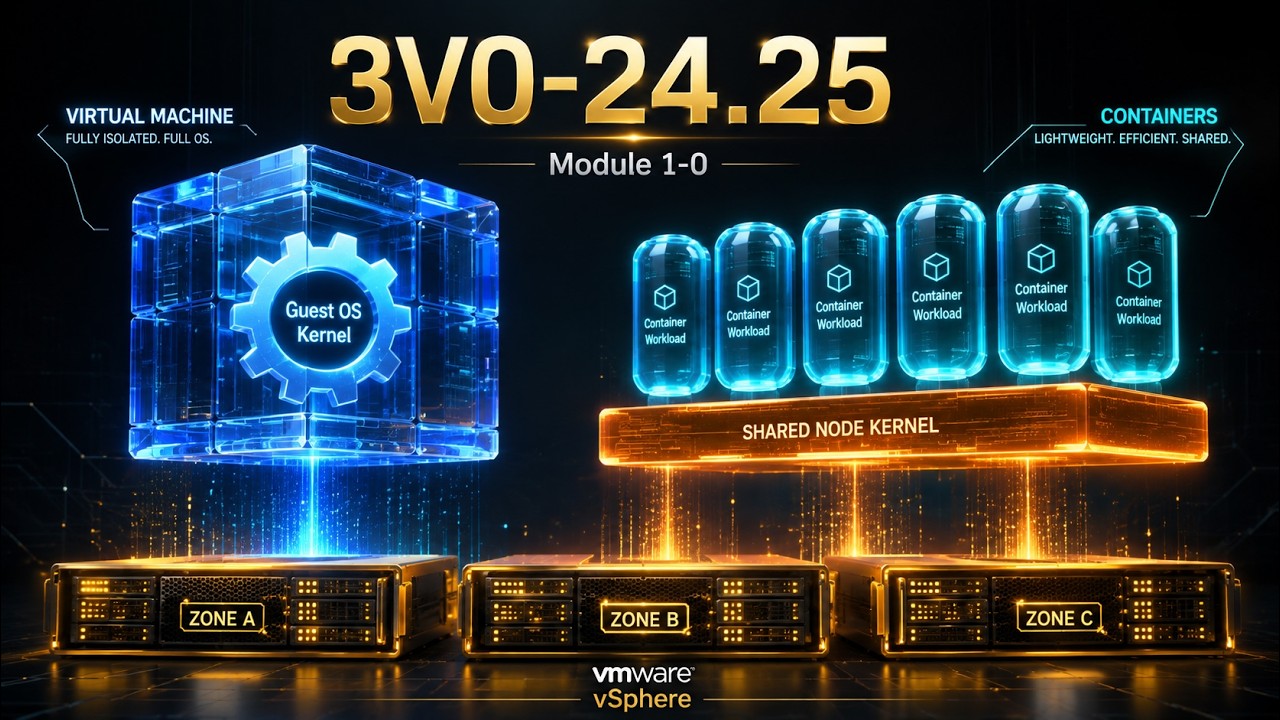
VMware VCF 9.0 Architect 3V0-24.25 Certification: VM vs Container Workload Design Explained
 6:03
6:03Study & Preparation
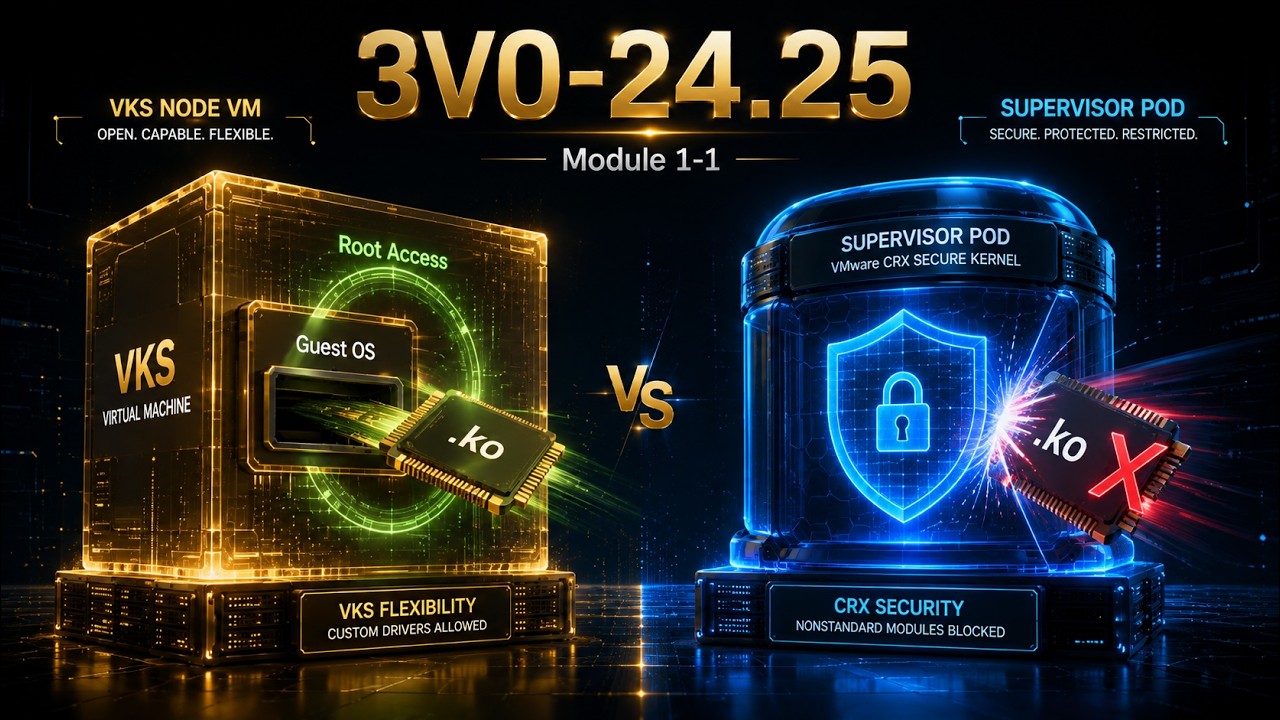
VCF 9.0 Architect 3V0-24.25 Exam: Supervisor Pods vs VKS Node VM Explained
 9:23
9:23Study & Preparation
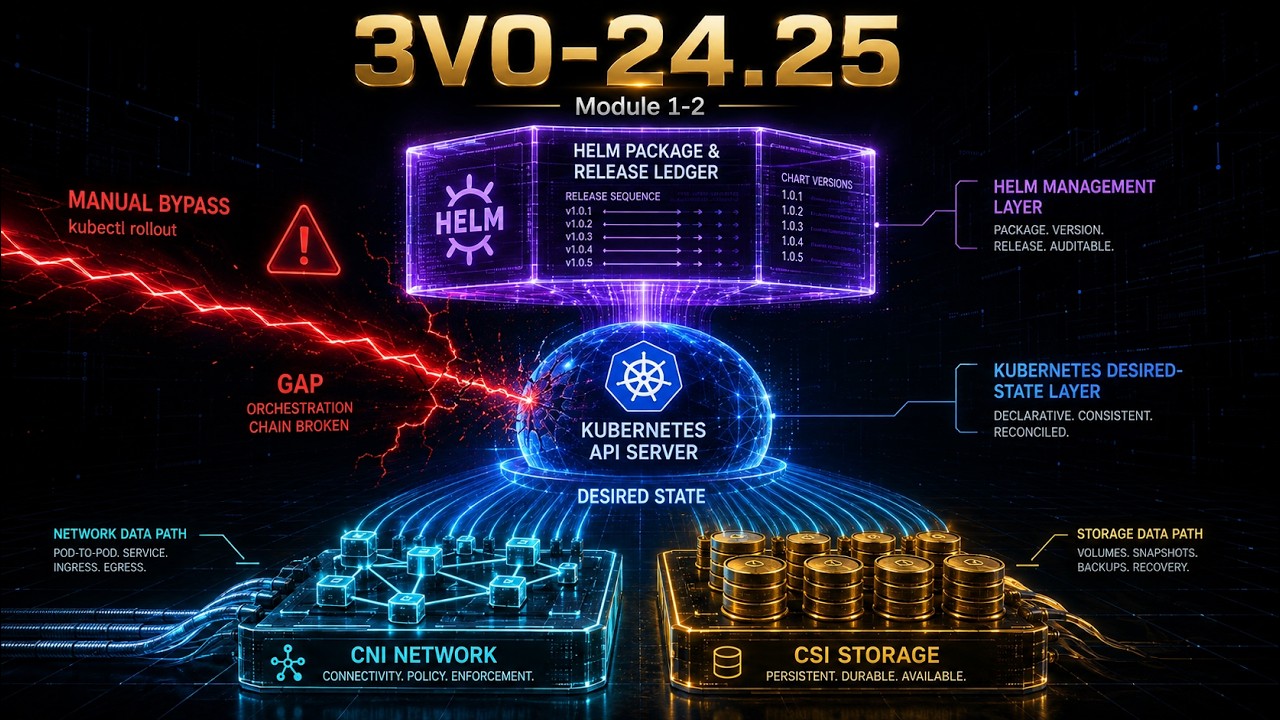
VCF 9.0 Architect 3V0-24.25 Exam: Helm and Kubernetes Troubleshooting Explained
 7:45
7:45Study & Preparation
VCF 9.0 Architect 3V0-24.25 Exam: NSX VPC vs VDS Supervisor Architecture Explained
 8:47
8:47Study & Preparation
VCF 9.0 Architect 3V0-24.25 Exam: Namespace Network Options Explained
 8:24
8:24Study & Preparation