
Study & Preparation
3V0-24.25: How VKS Clusters Upgrade and Scale in VCF 9.0
About this video
In this video, we begin Module 4 of the 3V0-24.25 certification preparation series by exploring the lifecycle architecture behind VMware Kubernetes Service (VKS) in VMware Cloud Foundation 9.0. Managing Kubernetes clusters in VCF 9.0 is not based on traditional server maintenance. Instead of manually patching nodes, VKS uses declarative lifecycle management, immutable node replacement, and automated reconciliation workflows. In this module, we establish the foundation of VKS lifecycle operations: Understanding the difference between VKS Service, VKr releases, and Content Libraries How Kubernetes node images are distributed and consumed How declarative rolling upgrades replace worker nodes safely How Cluster API controllers manage desired state changes The differences between HPA, VPA, and Cluster Autoscaler Why quotas, metrics, and infrastructure capacity determine scaling success For the 3V0-24.25 exam, the important skill is recognizing the correct operational model. VKS clusters are not upgraded by manually changing machines; they evolve through controlled automation and immutable infrastructure workflows. By understanding these lifecycle boundaries, you can avoid common exam traps around version management, cluster upgrades, and autoscaling failures. In the next module, we will move into a practical challenge: synchronizing VKr images in restricted or air-gapped environments and ensuring VKS cluster deployments can proceed successfully. #3V0-2425 #VCF9 #VMwareCertification
Keep watching
 7:07
7:07Study & Preparation
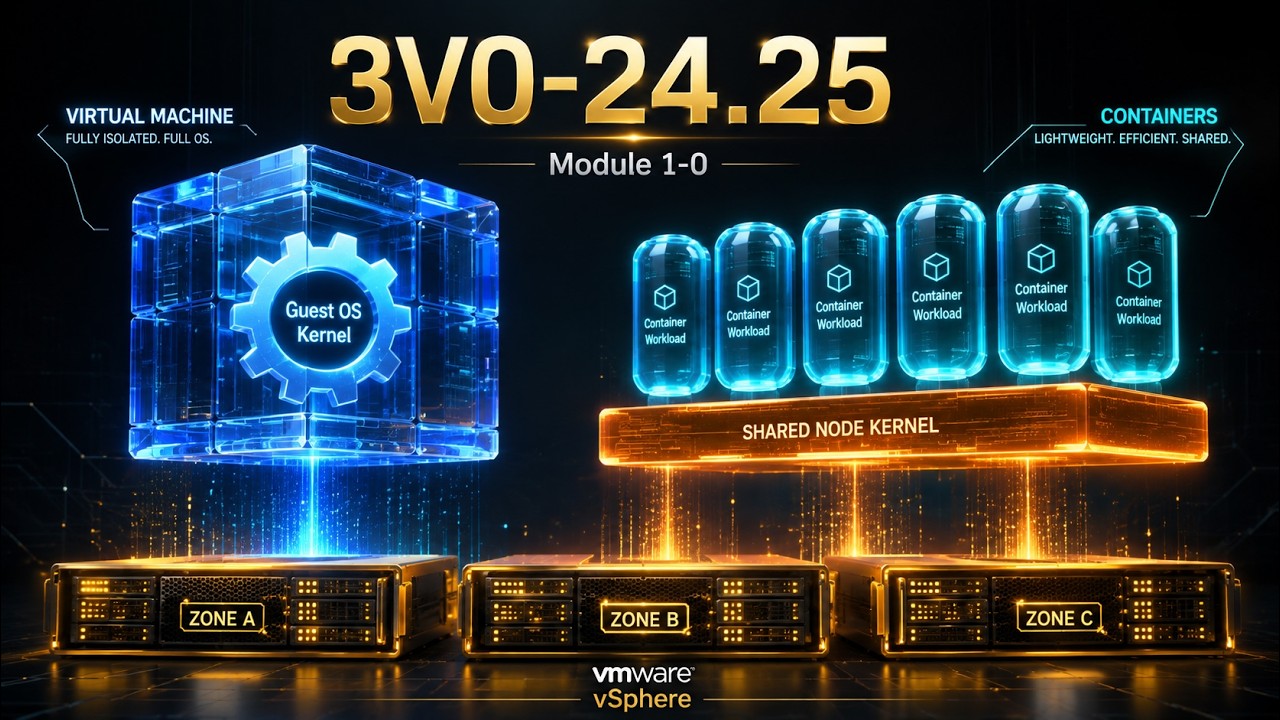
VMware VCF 9.0 Architect 3V0-24.25 Certification: VM vs Container Workload Design Explained
 6:03
6:03Study & Preparation
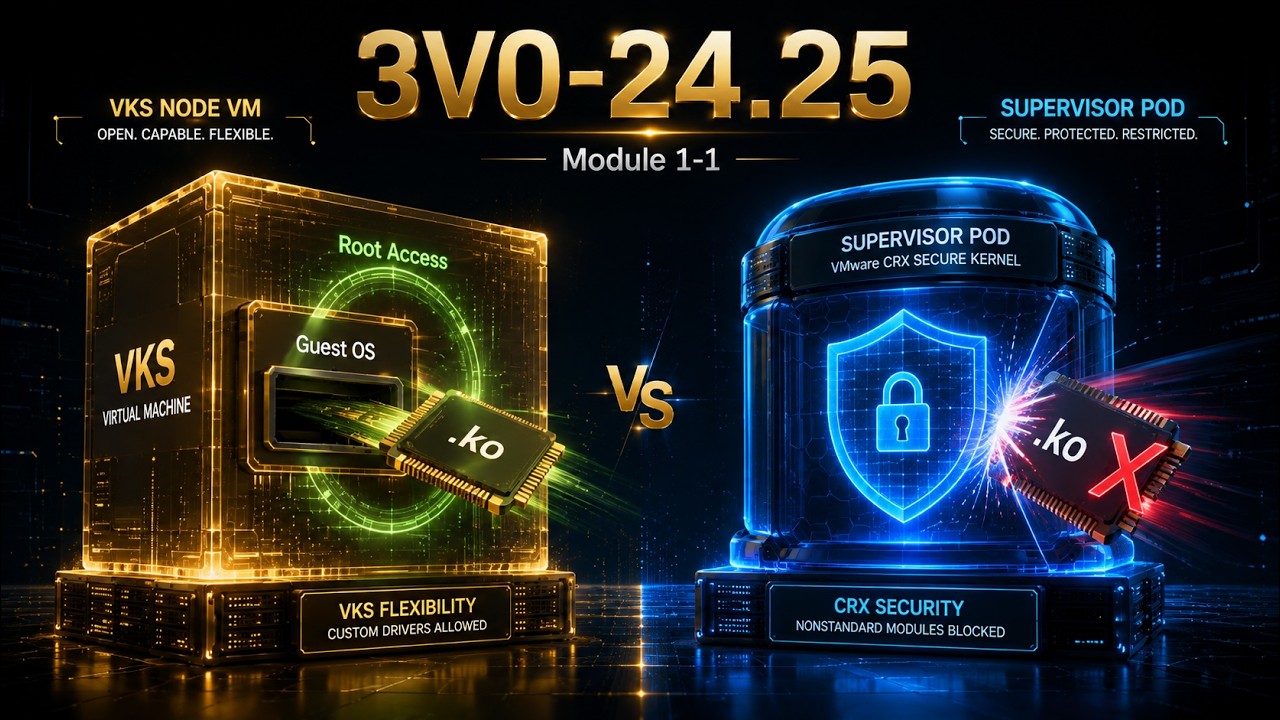
VCF 9.0 Architect 3V0-24.25 Exam: Supervisor Pods vs VKS Node VM Explained
 9:23
9:23Study & Preparation
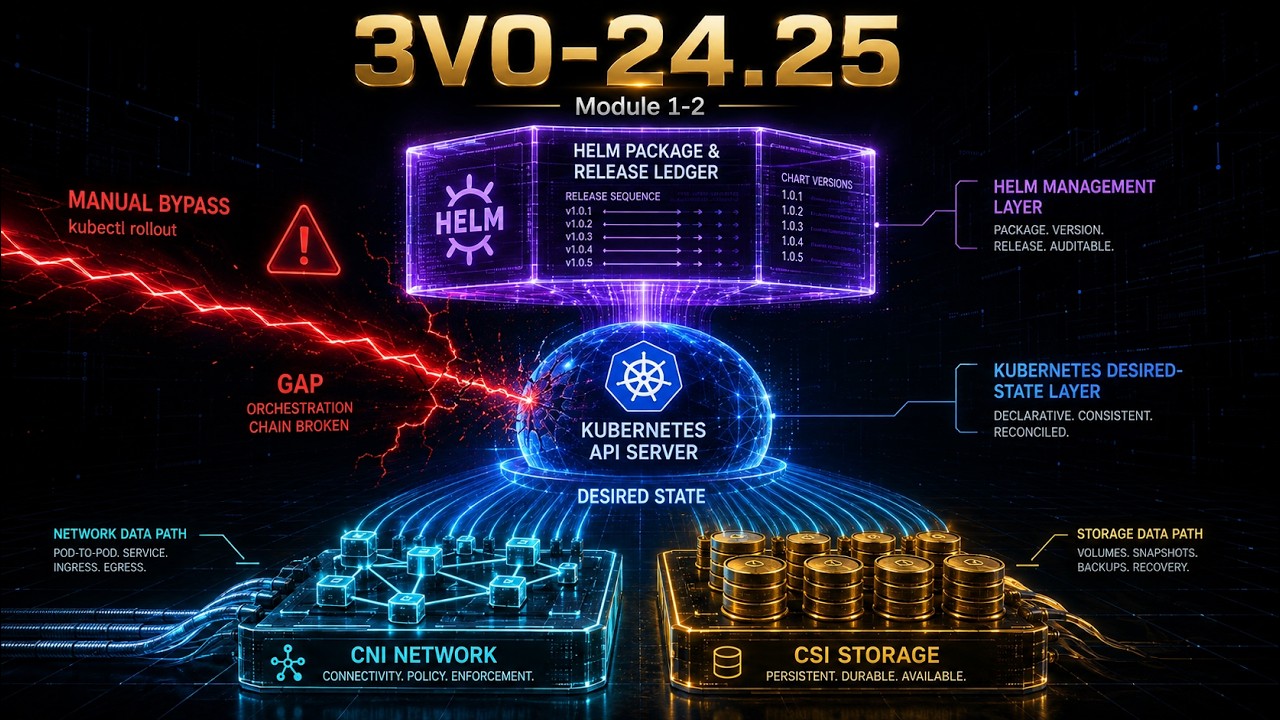
VCF 9.0 Architect 3V0-24.25 Exam: Helm and Kubernetes Troubleshooting Explained
 7:45
7:45Study & Preparation
VCF 9.0 Architect 3V0-24.25 Exam: NSX VPC vs VDS Supervisor Architecture Explained
 8:47
8:47Study & Preparation
VCF 9.0 Architect 3V0-24.25 Exam: Namespace Network Options Explained
 8:24
8:24Study & Preparation