
Study & Preparation
3V0-24.25: Why Your VKS Upgrade Gets Stuck
About this video
In this video, we continue our 3V0-24.25 certification preparation series and explore how VMware Cloud Foundation 9.0 performs VKS cluster upgrades using declarative rolling replacement. A common mistake is treating Kubernetes node upgrades like traditional server patching. In VKS, nodes are immutable infrastructure objects. The platform does not modify existing machines—it creates new nodes from approved VKr images and safely replaces the old infrastructure. In this module, we analyze: The immutable infrastructure model behind VKS upgrades How Cluster API controllers reconcile version changes The role of spec.topology.version in triggering upgrades How new worker nodes are created and validated Why PodDisruptionBudgets can block node draining How Namespace quotas and resource limits can stall replacement operations How to verify successful version convergence For the 3V0-24.25 exam, the important skill is understanding the difference between a failed upgrade and a blocked reconciliation process. The correct troubleshooting approach is: Check controller events → Identify dependency blockers → Resolve constraints → Allow automation to continue By understanding the upgrade control loop, you can avoid common exam traps involving manual VM deletion, SSH-based patching, and unsafe infrastructure changes. Next, we will explore multi-dimensional autoscaling and how HPA, VPA, and Cluster Autoscaler work together across application and infrastructure layers. #3V0-2425 #VCF9 #VMwareCertification
Keep watching
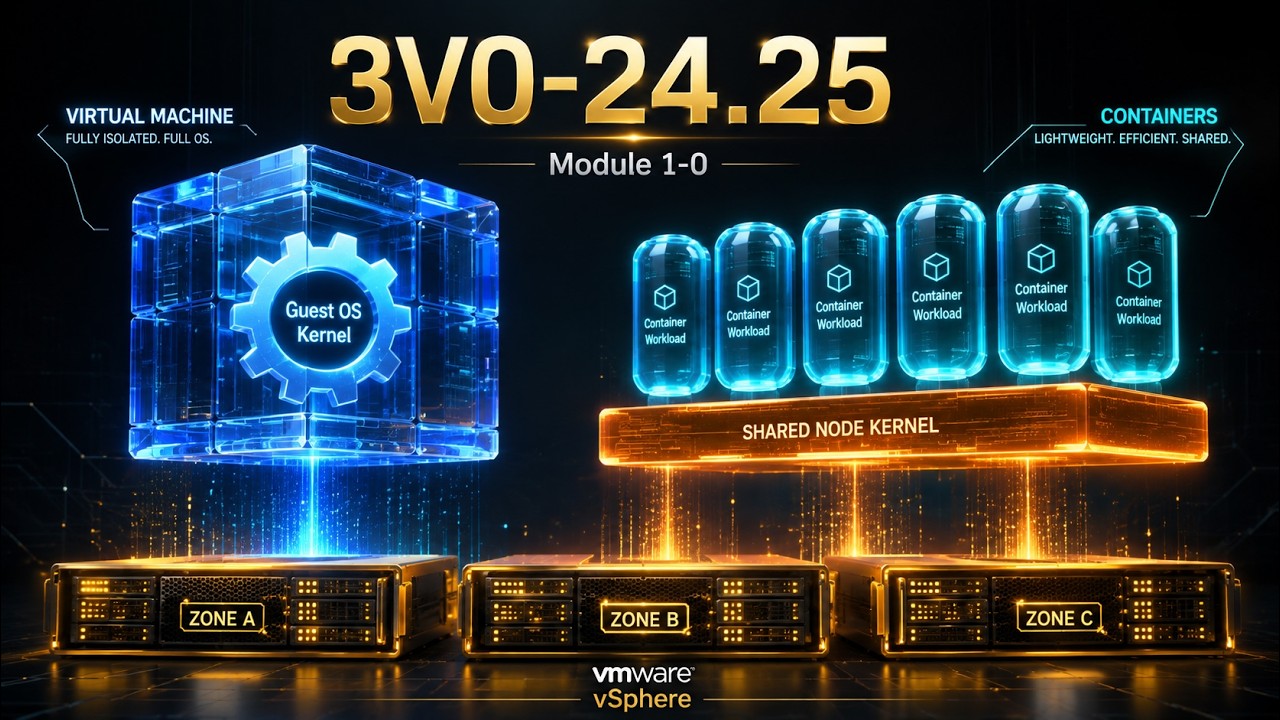 7:07
7:07Study & Preparation
VMware VCF 9.0 Architect 3V0-24.25 Certification: VM vs Container Workload Design Explained
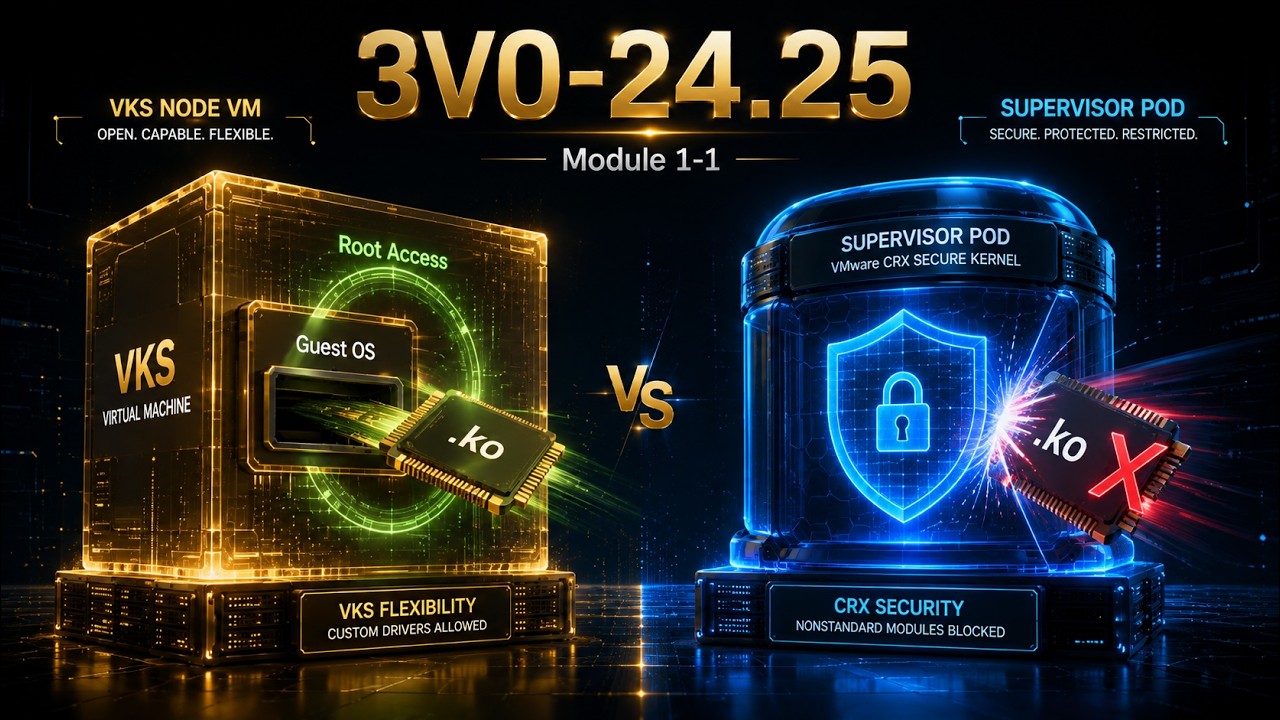 6:03
6:03Study & Preparation
VCF 9.0 Architect 3V0-24.25 Exam: Supervisor Pods vs VKS Node VM Explained
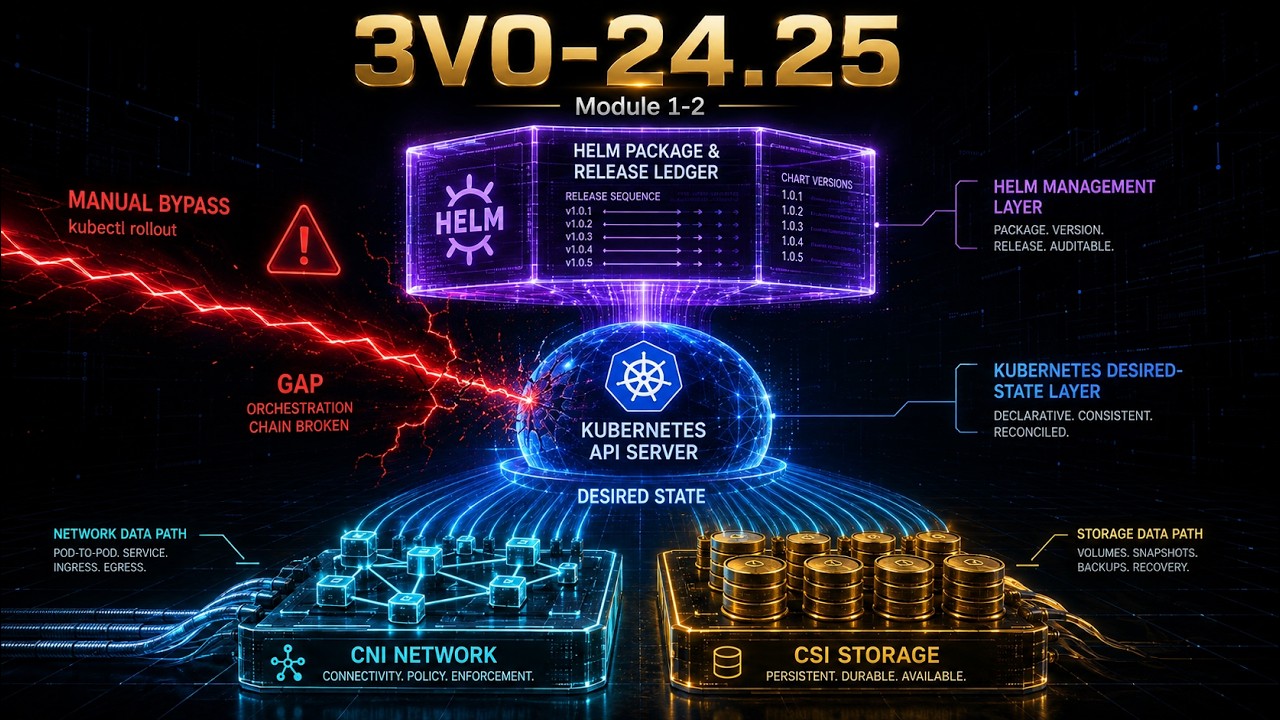 9:23
9:23Study & Preparation
VCF 9.0 Architect 3V0-24.25 Exam: Helm and Kubernetes Troubleshooting Explained
 7:45
7:45Study & Preparation
VCF 9.0 Architect 3V0-24.25 Exam: NSX VPC vs VDS Supervisor Architecture Explained
 8:47
8:47Study & Preparation
VCF 9.0 Architect 3V0-24.25 Exam: Namespace Network Options Explained
 8:24
8:24Study & Preparation