
Study & Preparation
DP-600 Dimensional Modeling in Microsoft Fabric Explained
About this video
Dimensional modeling is one of the most important skills for building enterprise analytics solutions and a key concept in the DP-600 Microsoft Certified: Fabric Analytics Engineer Associate exam. In this video, we break down how to design reliable analytical models in Microsoft Fabric using star schema principles, surrogate keys, slowly changing dimensions, and Gold-layer serving patterns. You’ll learn the correct modeling sequence: - Define the business process - Declare fact table grain - Classify facts and dimensions - Design surrogate key strategies - Choose SCD Type 1 or Type 2 approaches - Publish trusted Gold-layer models We’ll also compare implementation patterns across: - Fabric Lakehouse with Delta tables and Spark-based development - Fabric Warehouse with relational T-SQL modeling Key concepts covered include: - Additive, semi-additive, and non-additive facts - Unknown dimension members - Late-arriving dimension handling - Historical attribute tracking - Semantic model preparation For DP-600 preparation, the goal is not just creating relationships. It is understanding what each row represents and ensuring the model supports accurate enterprise reporting. This guide focuses on the modeling decisions required to build scalable Microsoft Fabric analytics solutions. #DP600 #MicrosoftFabric #FabricAnalyticsEngineer
Keep watching
 10:25
Study & Preparation
DP-600 Microsoft Fabric Analytics Engineer Certification Guide
 8:15
Study & Preparation
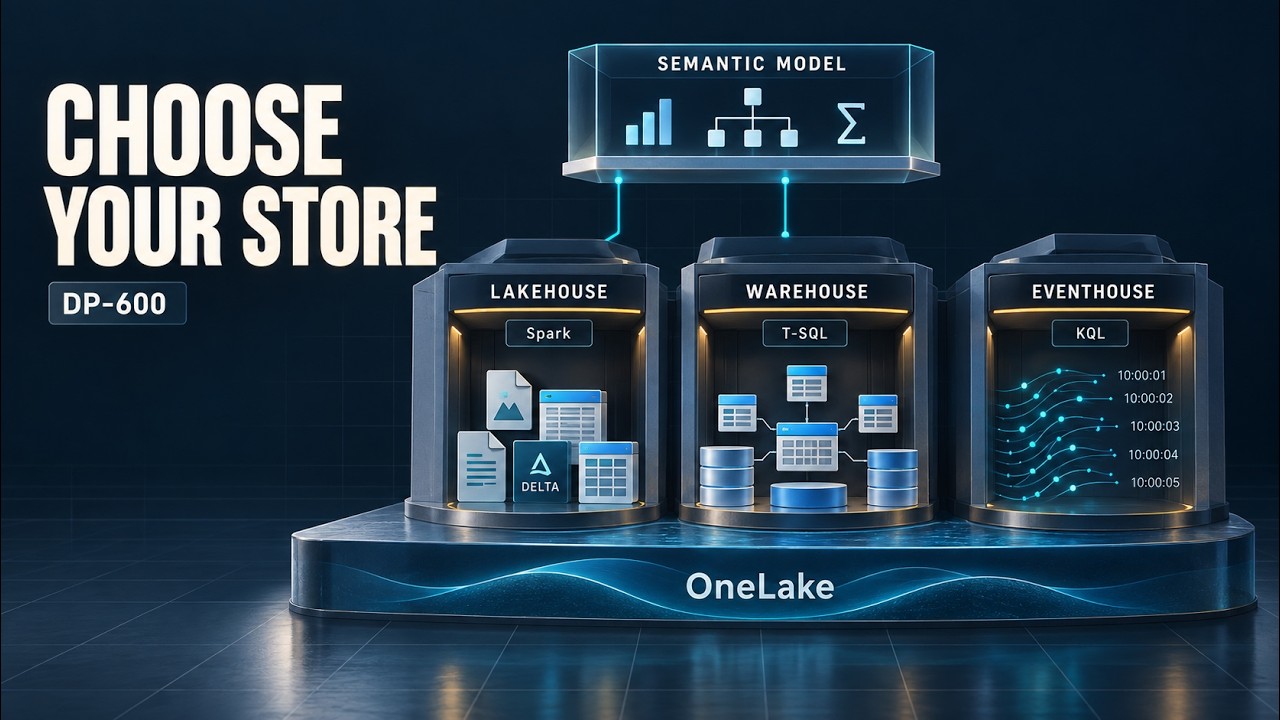
DP-600 Microsoft Fabric Lakehouse vs Warehouse vs Eventhouse Explained
 9:08
Study & Preparation
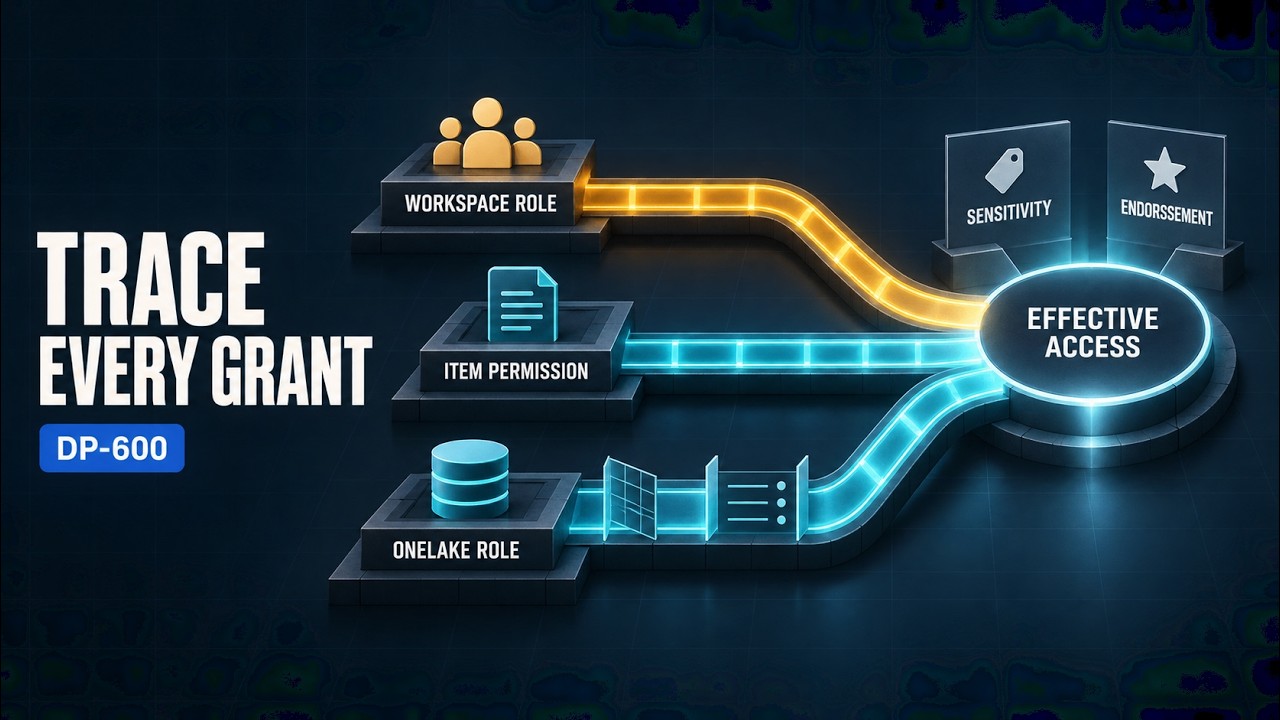
DP-600 Microsoft Fabric Security and Governance Explained
 9:37
Study & Preparation
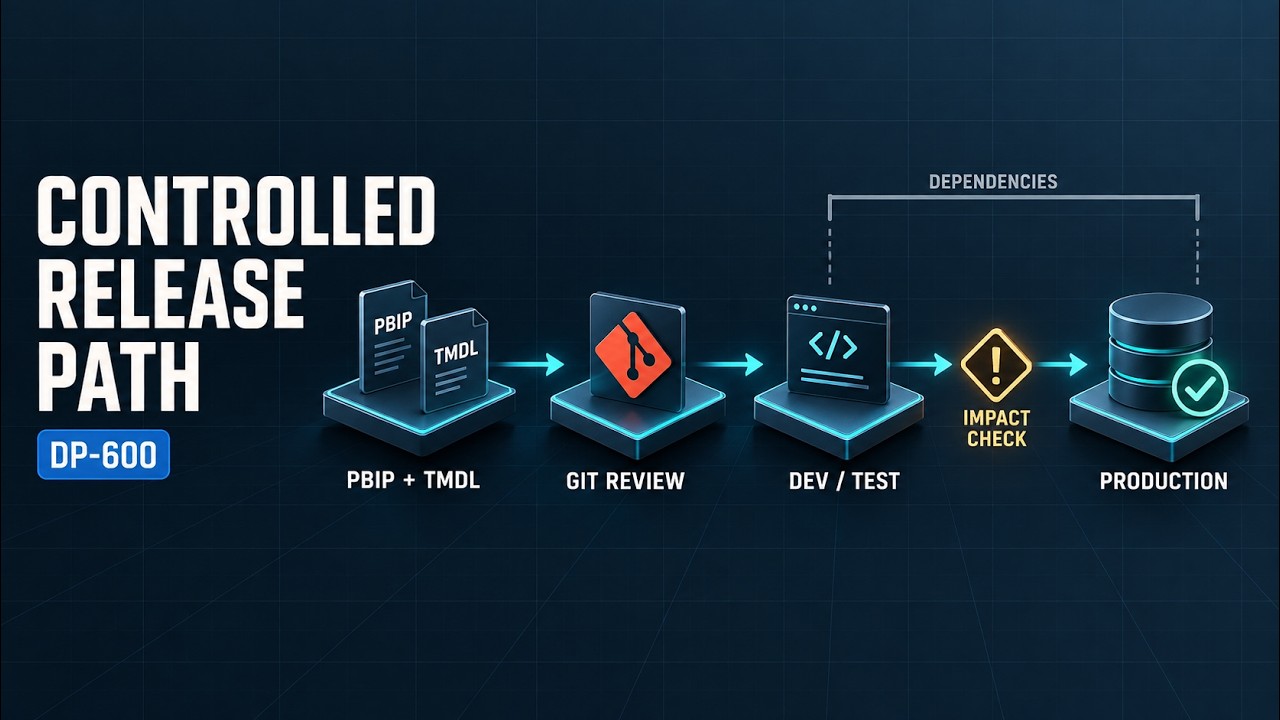
DP-600 Microsoft Fabric Git Integration and Deployment Pipelines Explained
 7:50
Study & Preparation
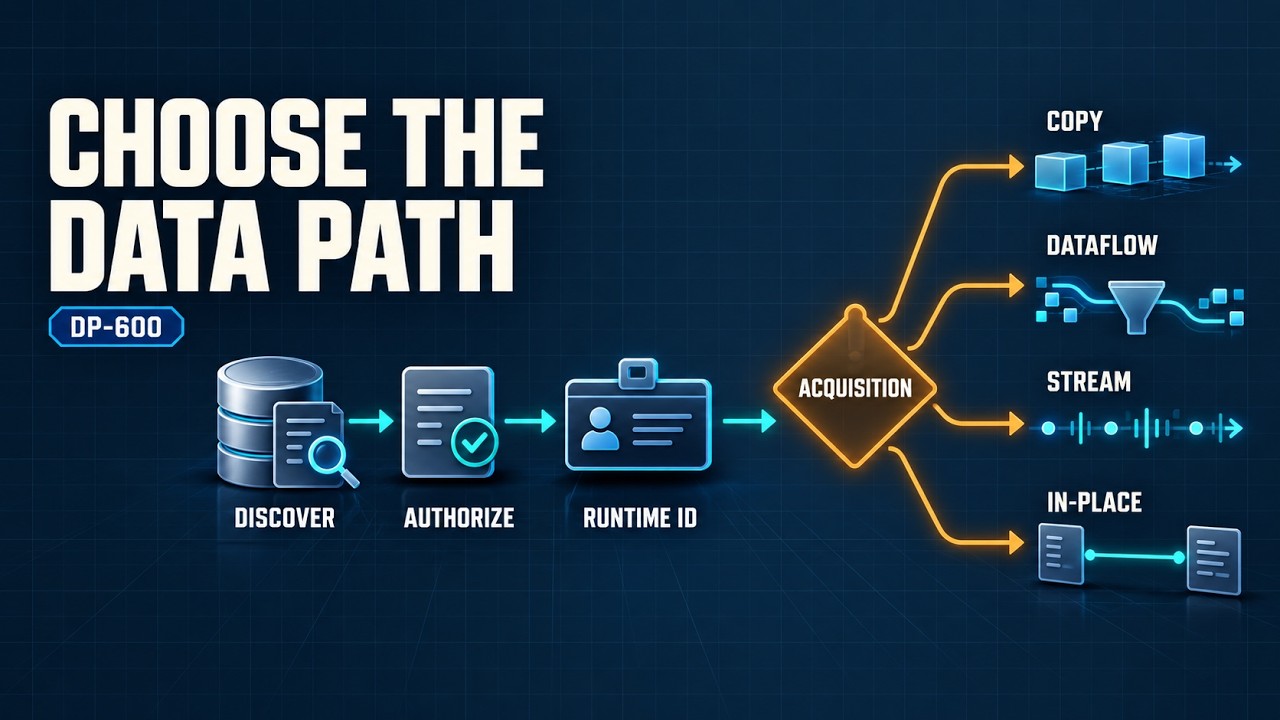
DP-600 Microsoft Fabric Data Ingestion Methods Explained
 7:09
Study & Preparation