
Study & Preparation
DP-600 Microsoft Fabric Semantic Model Optimization Explained
About this video
Enterprise semantic models require more than correct relationships and measures — they must also perform reliably under real workloads. In this video, we explore performance optimization and troubleshooting strategies covered in the DP-600 Microsoft Certified: Fabric Analytics Engineer Associate exam. You’ll learn how professional teams analyze and improve semantic model performance through: - VertiPaq optimization and column cardinality management - Model slimming techniques - Storage Engine vs Formula Engine analysis - DAX performance tuning strategies - Query diagnostics with Performance Analyzer - Deep analysis using DAX Studio and VertiPaq Analyzer - Model governance with Tabular Editor - Direct Lake troubleshooting and fallback detection We’ll examine common performance issues, including: - High-cardinality columns consuming excessive memory - Complex DAX patterns causing Formula Engine bottlenecks - Poor model design increasing query cost - Direct Lake queries falling back to DirectQuery - Capacity memory pressure affecting responsiveness For DP-600 preparation, optimization is not about memorizing performance tips. It is about understanding how the semantic model engine executes queries and how to diagnose problems systematically. This guide focuses on the engineering practices required to build fast, scalable, and cost-efficient Microsoft Fabric analytics solutions. #DP600 #MicrosoftFabric #PowerBI
Keep watching
 10:25
Study & Preparation
DP-600 Microsoft Fabric Analytics Engineer Certification Guide
 8:15
Study & Preparation
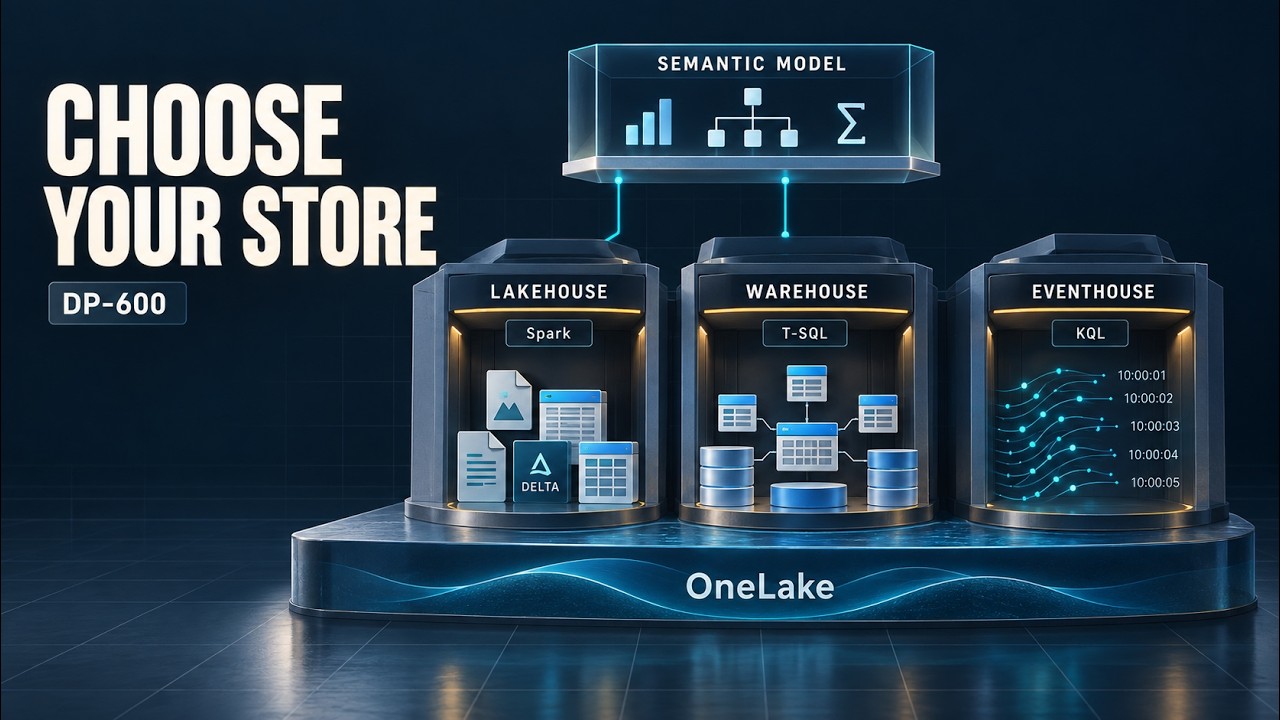
DP-600 Microsoft Fabric Lakehouse vs Warehouse vs Eventhouse Explained
 9:08
Study & Preparation
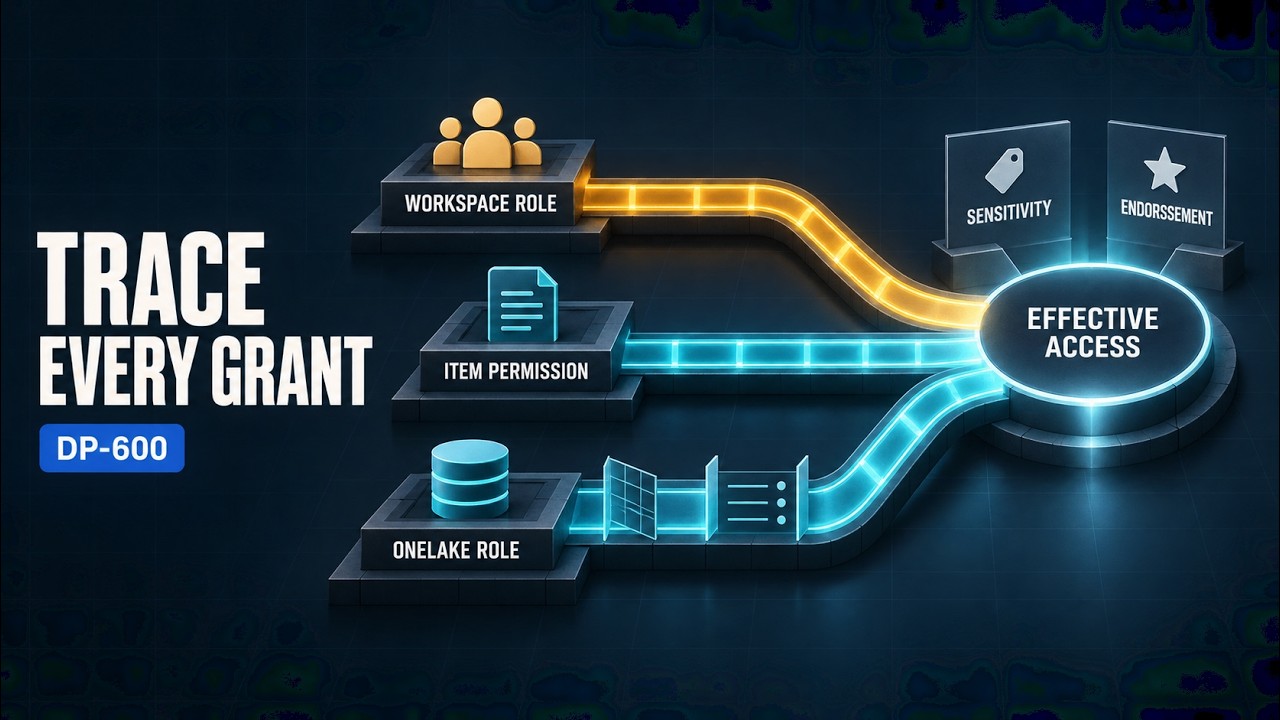
DP-600 Microsoft Fabric Security and Governance Explained
 9:37
Study & Preparation
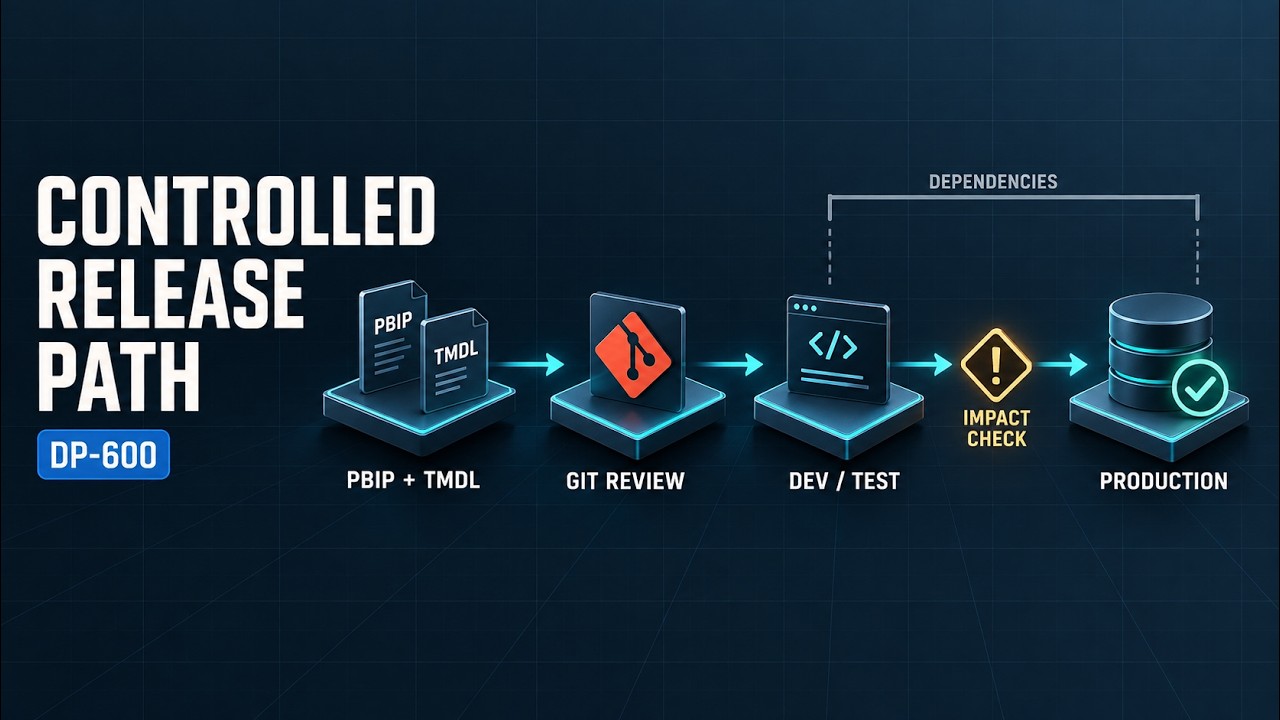
DP-600 Microsoft Fabric Git Integration and Deployment Pipelines Explained
 7:50
Study & Preparation
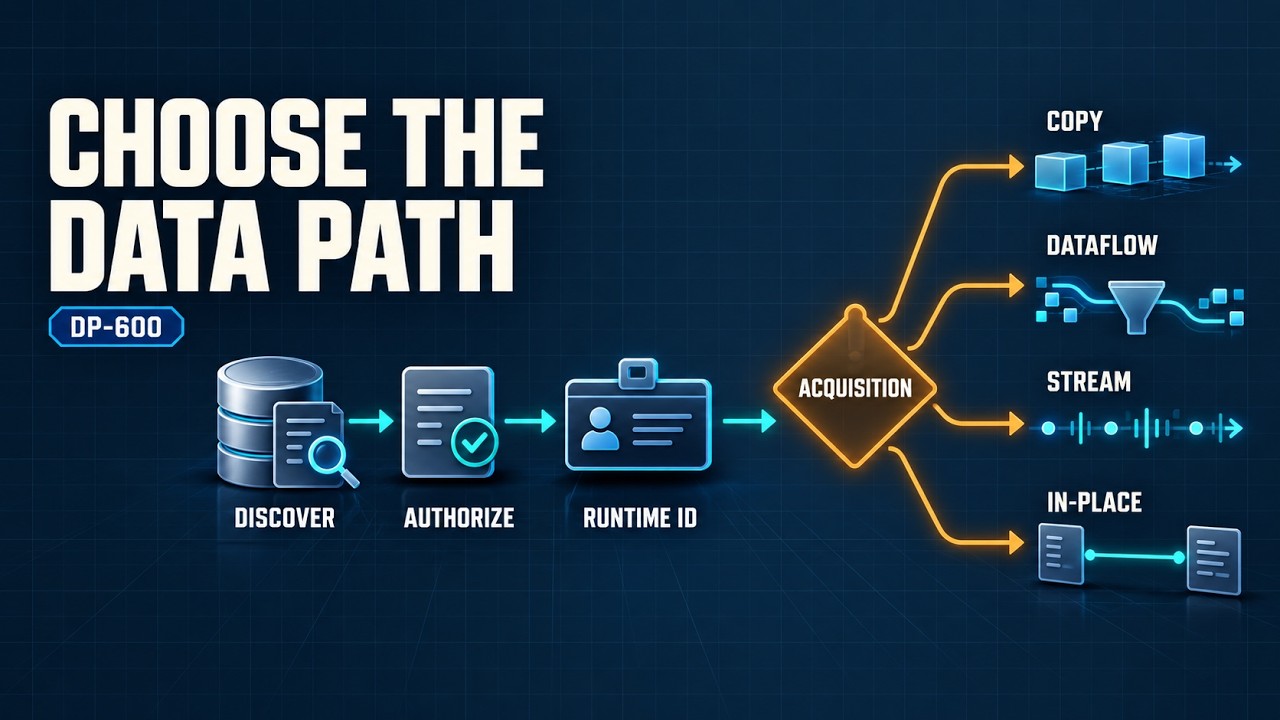
DP-600 Microsoft Fabric Data Ingestion Methods Explained
 7:09
Study & Preparation