
Study & Preparation
DP-600 Semantic Models and Relationships in Microsoft Fabric Explained
About this video
A well-designed semantic model is the foundation of accurate and scalable analytics in Microsoft Fabric. In this video, we break down semantic model design concepts tested in the DP-600 Microsoft Certified: Fabric Analytics Engineer Associate exam, including star schemas, relationships, filter propagation, and advanced modeling patterns. You’ll learn how to design models using: - Star schema principles - Fact and dimension separation - Relationship cardinality - Cross-filter direction strategies - Role-playing dimensions - Bridge tables for many-to-many scenarios - Ambiguity resolution techniques We’ll explore why Power BI and Fabric semantic models perform best when: - Filters flow through predictable paths - Relationships remain simple and intentional - Business logic is separated from raw data issues - Complex scenarios are solved through proper modeling patterns You’ll also see how concepts such as inactive relationships and USERELATIONSHIP() provide controlled flexibility without creating unnecessary model complexity. For DP-600 preparation, mastering semantic modeling is not about creating more relationships — it is about designing the right relationships. This guide focuses on the architecture decisions required to build fast, reliable, and enterprise-ready Microsoft Fabric semantic models. #DP600 #MicrosoftFabric #FabricAnalyticsEngineer
Keep watching
 10:25
Study & Preparation
DP-600 Microsoft Fabric Analytics Engineer Certification Guide
 8:15
Study & Preparation
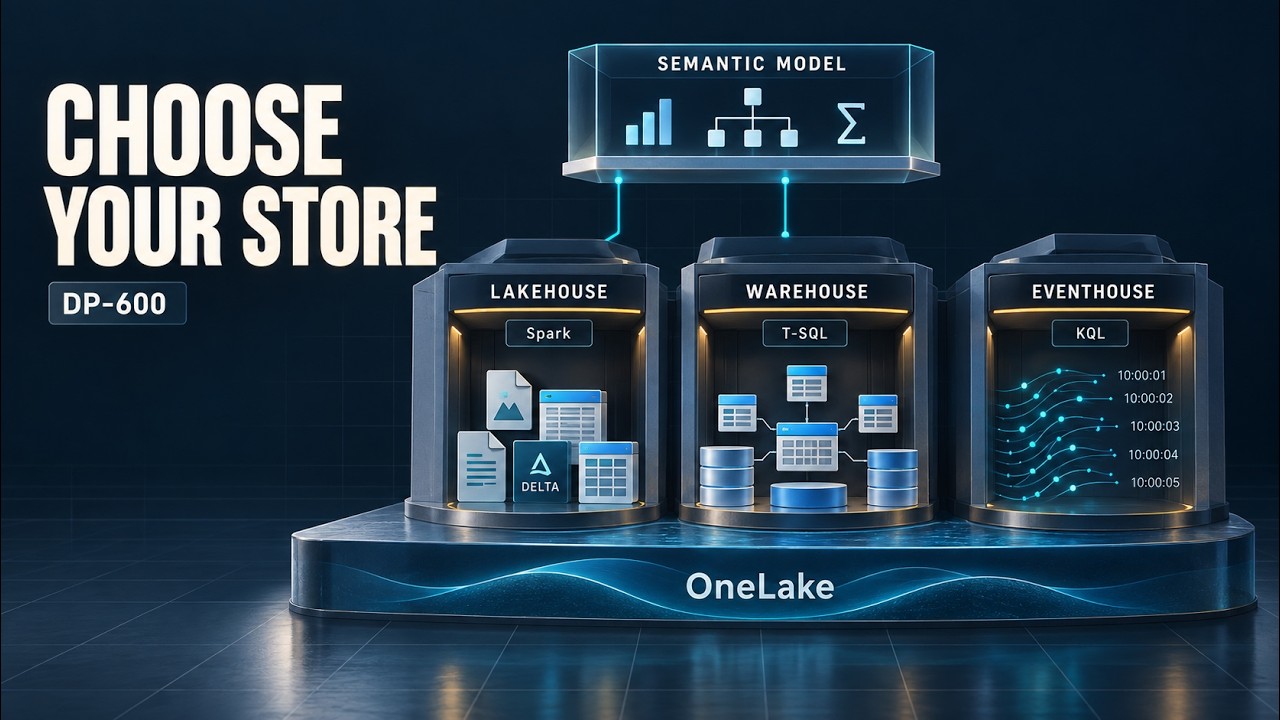
DP-600 Microsoft Fabric Lakehouse vs Warehouse vs Eventhouse Explained
 9:08
Study & Preparation
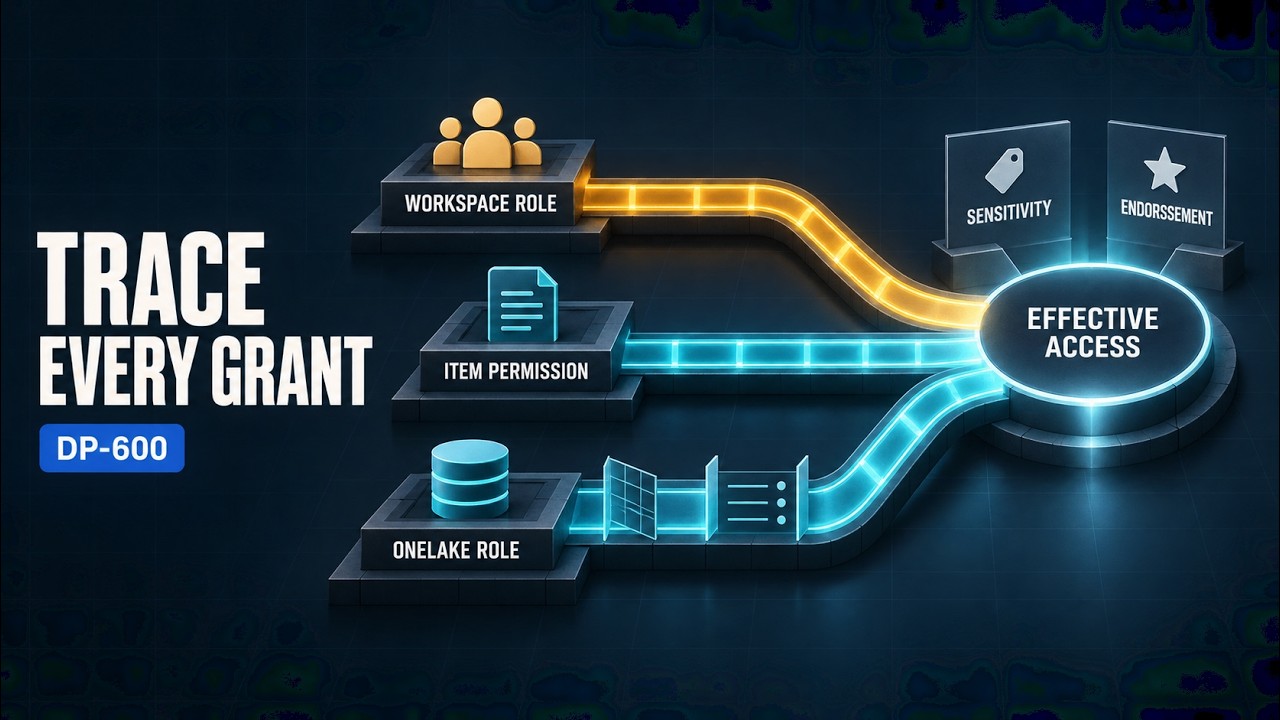
DP-600 Microsoft Fabric Security and Governance Explained
 9:37
Study & Preparation
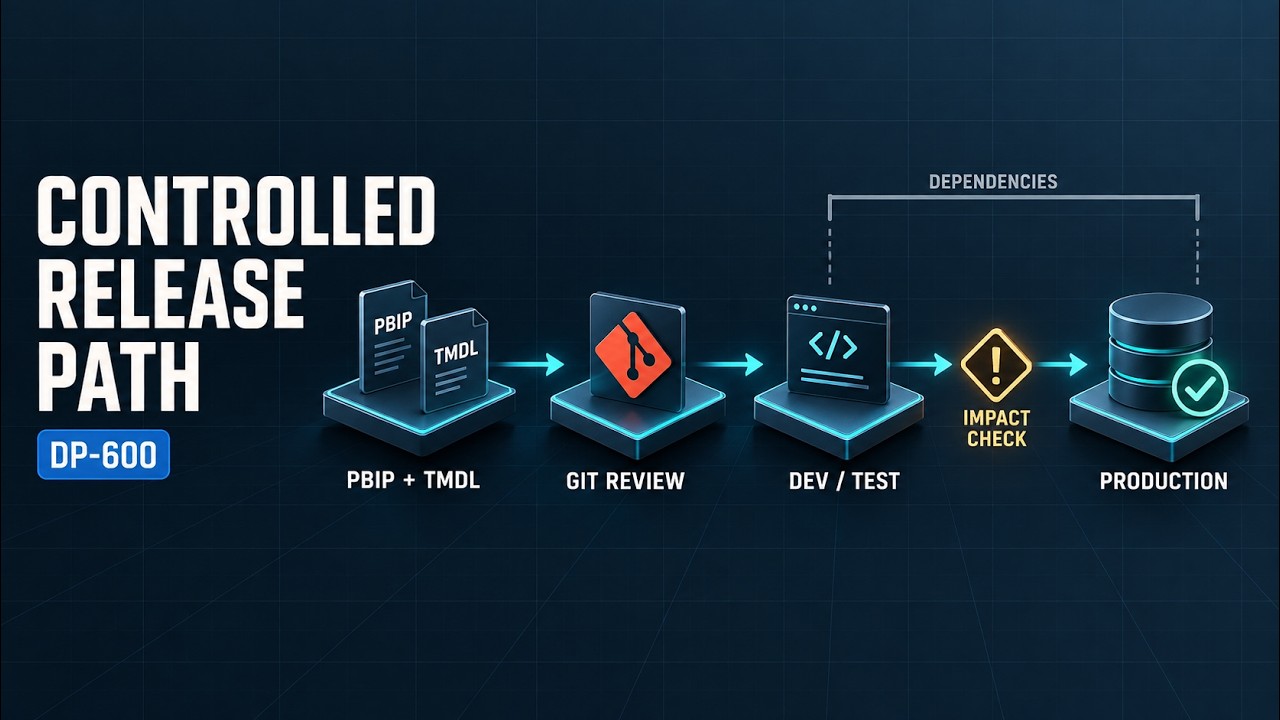
DP-600 Microsoft Fabric Git Integration and Deployment Pipelines Explained
 7:50
Study & Preparation
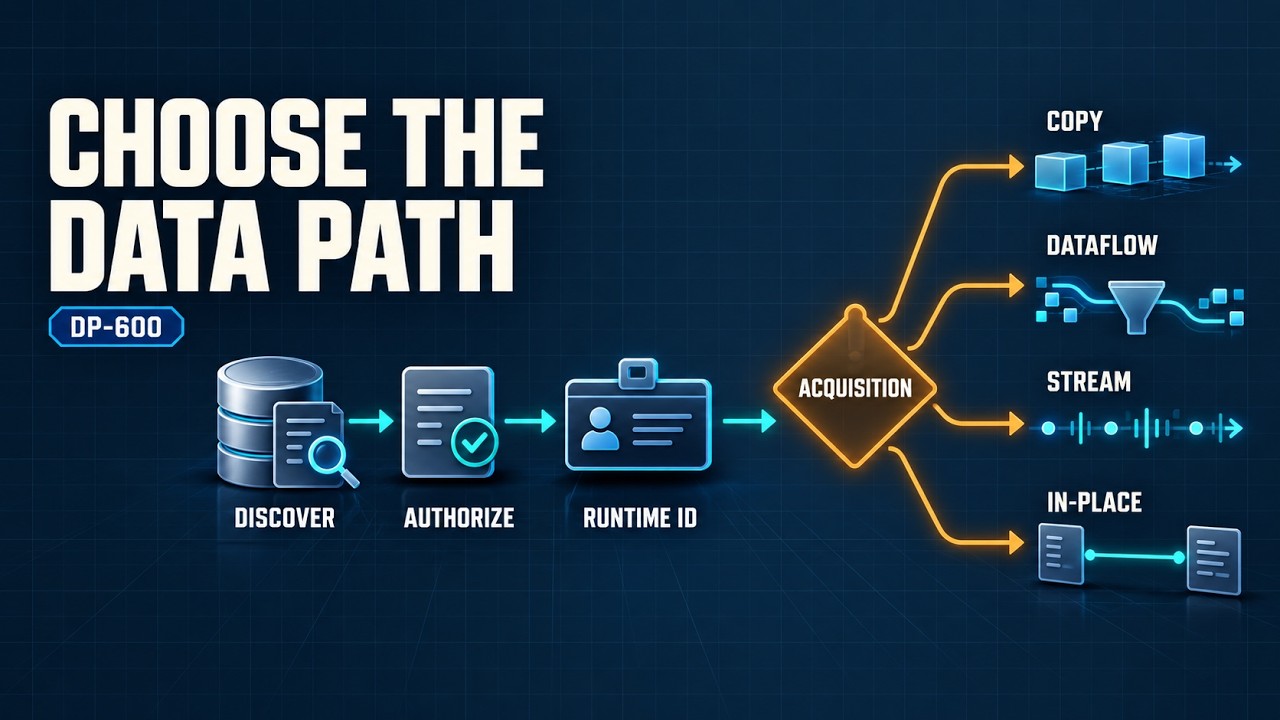
DP-600 Microsoft Fabric Data Ingestion Methods Explained
 7:09
Study & Preparation